VoIP Encryption: Secure Your Calls with Strong Protocols and Best Practices
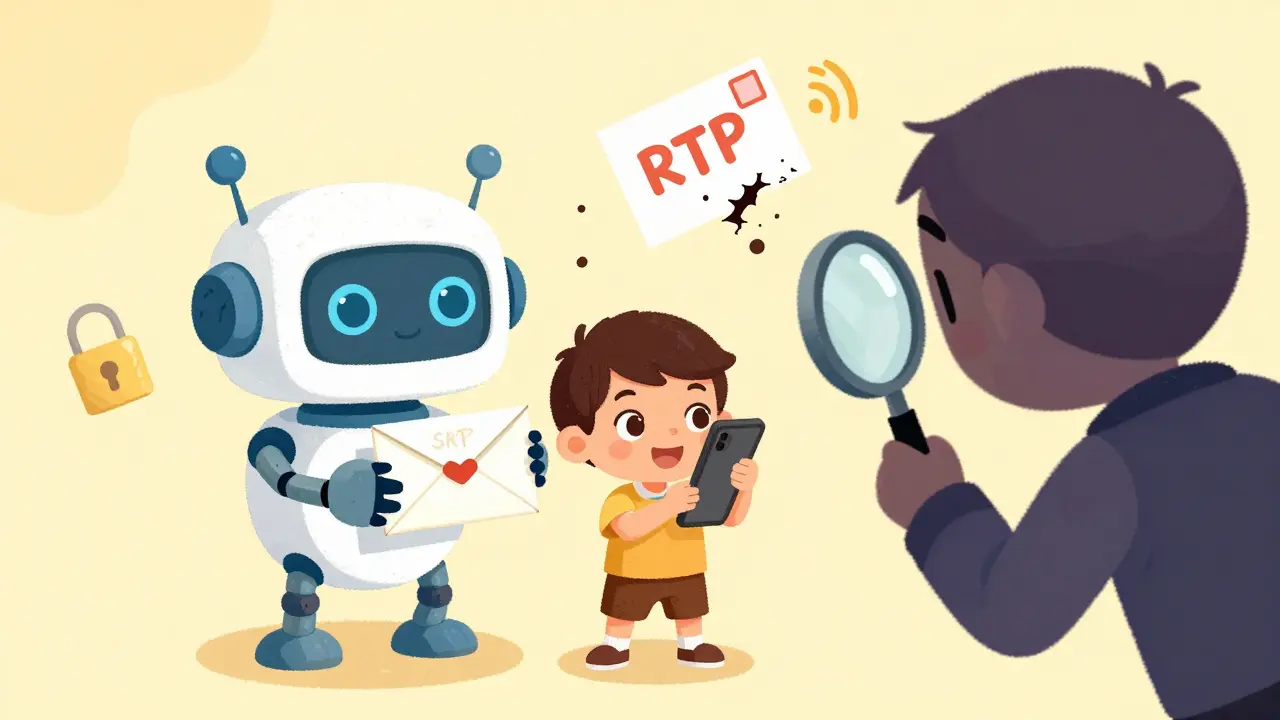
When you make a call over the internet, your voice isn’t just floating through wires—it’s traveling as data packets that anyone on the network could potentially intercept. That’s where Voice over IP encryption, the process of scrambling voice data so only authorized devices can decode it. Also known as encrypted VoIP, it’s not optional if you care about privacy, compliance, or protecting sensitive conversations. Without it, your business calls, customer data, or even personal chats can be listened to by attackers on the same network—even in your own office.
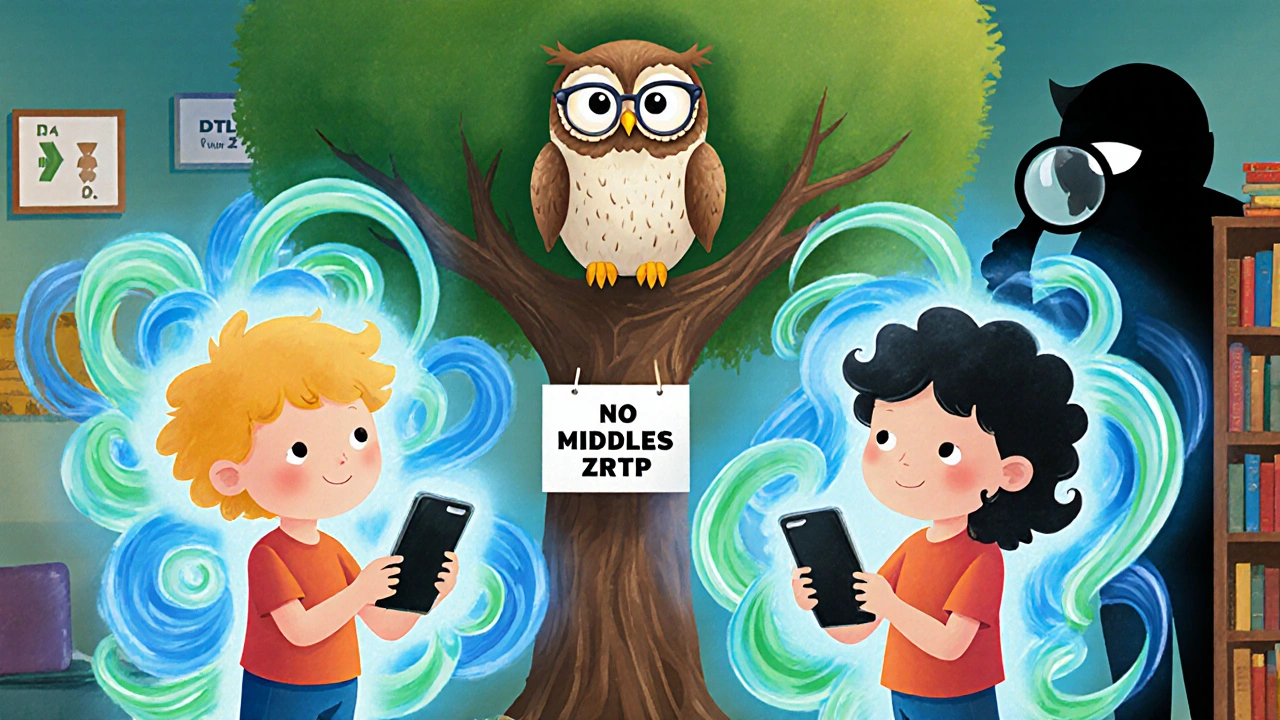
VoIP encryption doesn’t happen by accident. It requires specific protocols working together. SRTP, the Secure Real-time Transport Protocol used to encrypt the actual voice stream. Also known as Secure RTP, it’s the backbone of encrypted audio in most business VoIP systems. Then there’s TLS, Transport Layer Security, which secures the signaling part of the call—the setup messages that tell your phone who to connect to. Also known as SIP over TLS, it prevents hackers from hijacking your call before it even starts. These two work as a pair: TLS handles the call invitation, SRTP handles the voice. Skip one, and you’re leaving a backdoor open.
Many small businesses think encryption is only for banks or hospitals. But if you’re using VoIP for customer service, sales calls, or remote team chats, you’re handling personal data—and laws like GDPR, HIPAA, and TCPA require it. Even if you’re not legally forced to encrypt, the risk isn’t worth it. A single unencrypted call leaked to a competitor or scammer can cost more than upgrading your system. And it’s not just about big threats. Unencrypted calls on public Wi-Fi? Easy pickings for anyone with a free packet sniffer.
Modern VoIP phones, cloud providers, and even some free apps now support encryption by default. But not all are equal. Some only encrypt between your phone and the provider, leaving the rest of the path open. Others use weak keys or outdated algorithms. That’s why knowing your provider’s encryption setup matters. Look for SRTP with 128-bit or 256-bit keys and TLS 1.2 or higher. Avoid anything that says "optional encryption"—if it’s optional, someone’s not using it.
And encryption isn’t just about software. Your network matters too. If your router doesn’t support QoS or VLANs for voice traffic, encrypted calls can still get choppy or drop. That’s why you’ll find posts here about Voice VLANs, network segments that isolate VoIP traffic to reduce interference and improve security, and DSCP markings, tags that tell your network which packets are voice and need priority. These aren’t just performance tricks—they’re part of a layered defense.
Below, you’ll find real-world guides on how encryption works in practice. From setting up TLS on your SIP server to choosing phones with built-in SRTP support, we cover what actually works in 2025. No theory. No fluff. Just steps you can take today to stop eavesdroppers before they even start listening.