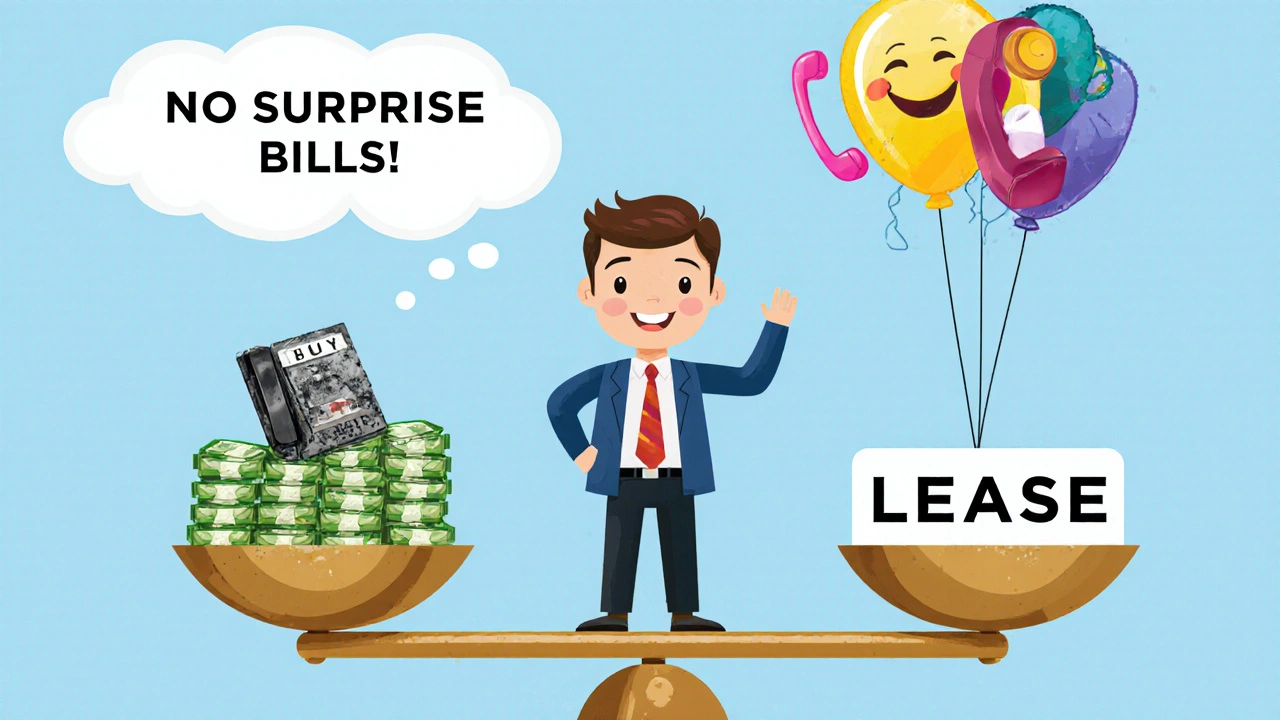
VoIP Buying Cost: What You Really Pay for Hardware, Setup, and Hidden Fees
When you think about Voice over IP, a technology that sends voice calls over the internet instead of traditional phone lines. Also known as IP telephony, it lets businesses cut phone bills by up to 70%—but only if you know what you're actually buying. The monthly service fee is just the tip of the iceberg. The real VoIP buying cost comes from hardware, setup, training, and things no vendor tells you upfront.
Most people assume VoIP means just signing up for a service. But you also need phones—either desk phones or softphones on computers. If you go with desk phones, you're looking at $50 to $300 each. A small team of ten could easily spend $2,000 to $6,000 just on hardware. That’s where refurbished VoIP equipment, certified used devices tested to work like new, often at half the price comes in. Many businesses save 40-50% without losing reliability. But buying random used gear off eBay? That’s a gamble. Certified refurbished means warranty, tested ports, and updated firmware. Then there’s installation. If your network isn’t ready, you might need new switches, better cables like CAT6, the standard Ethernet cable that handles VoIP traffic without dropouts, or even a separate Voice VLAN, a dedicated network lane that keeps voice calls from getting slowed down by data traffic. These aren’t optional if you want clear calls.
Training is another hidden cost. If your team doesn’t know how to use call forwarding, transfer, or voicemail-to-email, they’ll waste time and frustrate customers. And don’t forget about ongoing needs—like music on hold licensing or call recording compliance. Fines for breaking those rules can hit $10,000 per violation. You might think free VoIP providers save money, but they often limit features, users, or call quality. In the end, the cheapest option isn’t always the cheapest. The smartest move is to plan for the full picture: hardware, network prep, training, and legal compliance. Below, you’ll find real breakdowns of what these costs look like for small teams, what gear actually lasts, and how to avoid paying for things you don’t need.