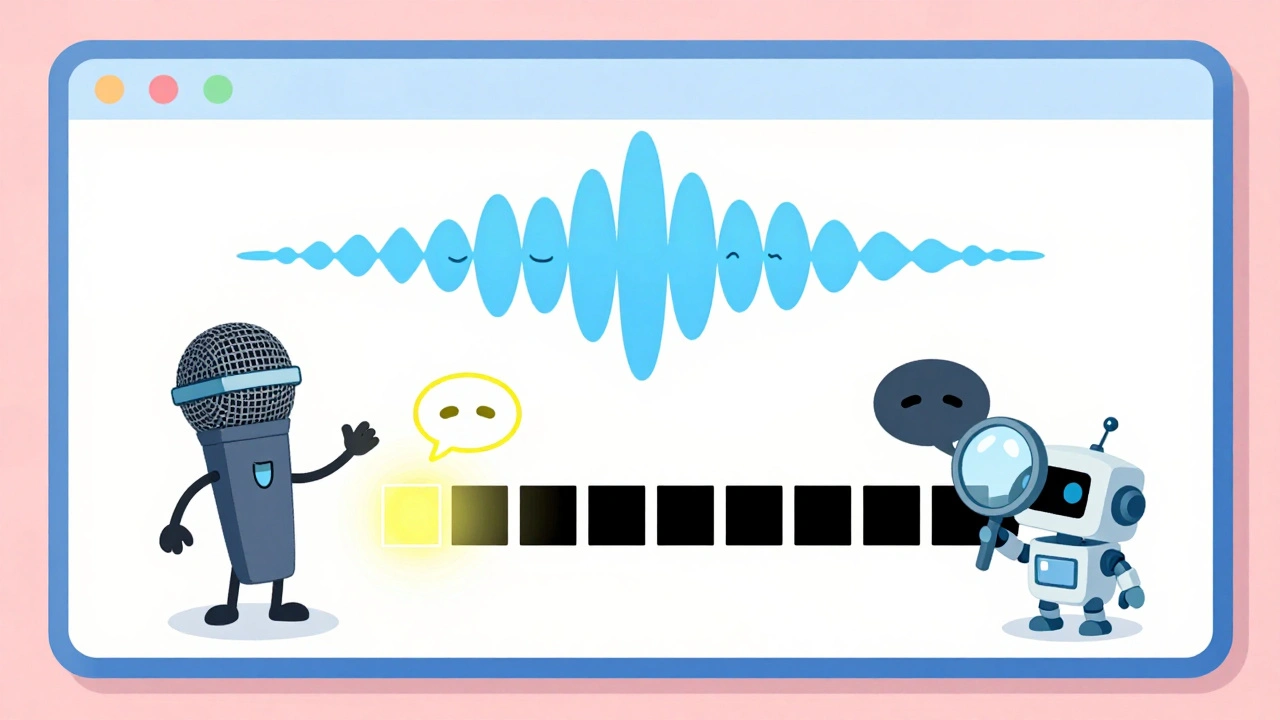
Voice Activity Detection: How VoIP Systems Know When You're Talking
When you speak into a VoIP phone, the system doesn’t just send your voice—it decides Voice Activity Detection, a technology that identifies human speech in real-time audio streams to reduce bandwidth and noise. Also known as VAD, it’s the silent gatekeeper that keeps your calls clear by turning off the mic when you’re not talking. Without it, every sigh, pause, or background hum would flood the network, wasting bandwidth and making calls sound cluttered.
Voice Activity Detection isn’t just about saving data—it directly improves call quality. It works hand-in-hand with codec negotiation, the process where VoIP devices agree on the best audio format to use to cut bandwidth use by up to 40% during silent periods. That’s why your call doesn’t lag when you’re on a busy network. It also reduces echo and feedback by stopping the microphone from picking up room noise when you’re not speaking. Systems like SIP, the protocol that sets up and manages VoIP calls rely on VAD to keep sessions smooth, especially in cloud-based call centers where hundreds of calls run on the same server.
But VAD isn’t perfect. Too sensitive, and it cuts off the start of your sentences. Too lazy, and it lets in background noise—like a barking dog or a running AC unit. That’s why top VoIP providers fine-tune their algorithms using machine learning models trained on real human speech patterns. In call centers, VAD works with AI call handling, systems that use speech recognition to route calls and answer questions to decide when to trigger an automated response or pass you to a live agent. It’s the reason your IVR doesn’t mishear you when you say ‘agent’ after a long pause.
You won’t see VAD in your settings—it’s built into the software, not the hardware. But you feel it every time a call stays crisp even on a weak Wi-Fi connection. Businesses that skip proper VAD tuning end up with choppy calls, higher data bills, and frustrated customers. That’s why guides on VoIP setup, like those covering VoIP onboarding or call blending, always mention audio processing as a hidden factor in performance.
What you’ll find below are real-world examples of how VAD shows up in everyday VoIP systems—from cloud platforms that handle customer service calls to SIP phones used by remote teams. You’ll see how it interacts with codecs, how it affects call recording compliance, and why some providers get it right while others make your calls sound like a broken radio. No theory. No fluff. Just what works—and what doesn’t—in 2025’s VoIP landscape.