SRTP Explained: Secure Real-Time Transport Protocol for VoIP Calls
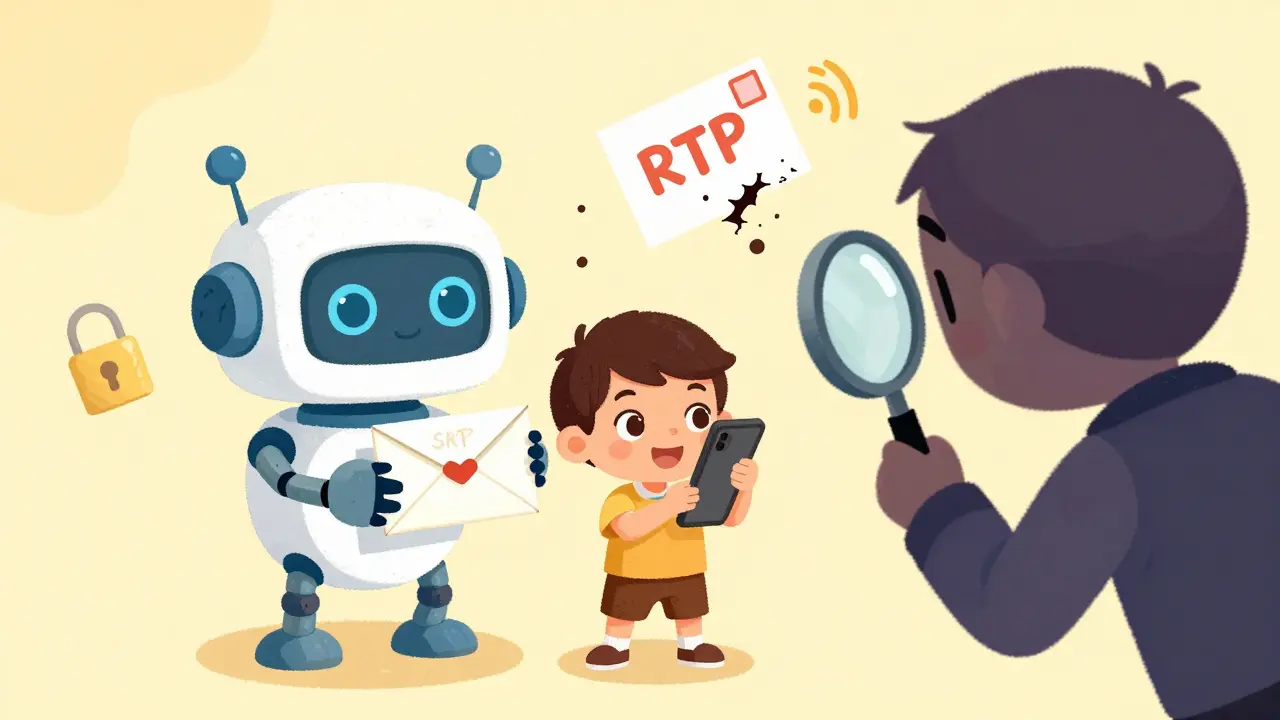
When you make a VoIP call, your voice travels as data over the internet—and without protection, it’s just as easy to intercept as an unencrypted email. That’s where SRTP, Secure Real-Time Transport Protocol, a security extension for RTP that encrypts voice and video streams in real time. Also known as Secure RTP, it’s the silent guardian behind clear, private calls on systems from Zoom to Cisco and beyond. If you’ve ever worried someone might be listening in on your business calls, SRTP is the reason they can’t.
SRTP doesn’t work alone. It teams up with SIP, Session Initiation Protocol, the signaling system that sets up and ends VoIP calls to handle the call setup, then hands off the audio stream to SRTP for encryption. Without SRTP, even a secure SIP connection is useless—because once the call starts, the voice data flies unguarded. SRTP encrypts each audio packet with AES, adds message authentication to prevent tampering, and includes replay protection so hackers can’t just record and replay your conversation later. It’s not optional for compliance—it’s required under HIPAA, PCI DSS, and GDPR when handling sensitive calls.
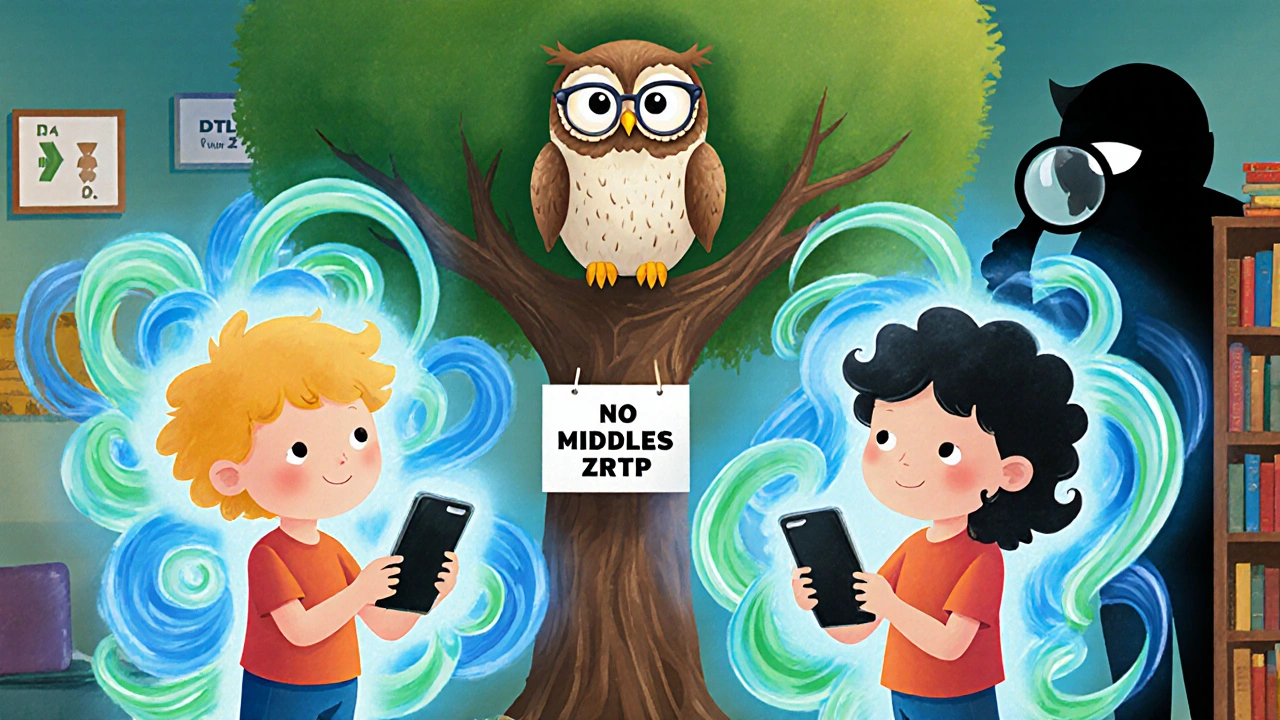
Many VoIP systems you use daily rely on SRTP, whether you know it or not. If your desk phone is from Yealink, Poly, or Grandstream, and it supports TLS or ZRTP, it’s almost certainly using SRTP under the hood. Same goes for cloud platforms like RingCentral, Nextiva, or Vonage. Even free tools like Jitsi and WebRTC use SRTP by default to keep calls secure. But here’s the catch: SRTP only works if both ends support it. If your provider uses plain RTP on one side and SRTP on the other, your call might still connect—but it’s wide open. That’s why checking your VoIP provider’s security settings isn’t just technical—it’s a legal and financial safeguard.
What you’ll find below isn’t a theory lesson. These are real posts from businesses that fixed call leaks, passed audits, and stopped costly breaches by locking down their SRTP setup. You’ll see how companies used DSCP markings to prioritize encrypted traffic, why VLANs matter when securing VoIP, and how firewall rules can accidentally break SRTP if you’re not careful. There’s also a deep dive into how SRTP fits with TURN over TLS to get calls through tight corporate networks, and why some "free" VoIP services skip it entirely—putting your data at risk. No fluff. Just what works in 2025.