Speech Detection in VoIP: How AI Listens, Responds, and Improves Calls
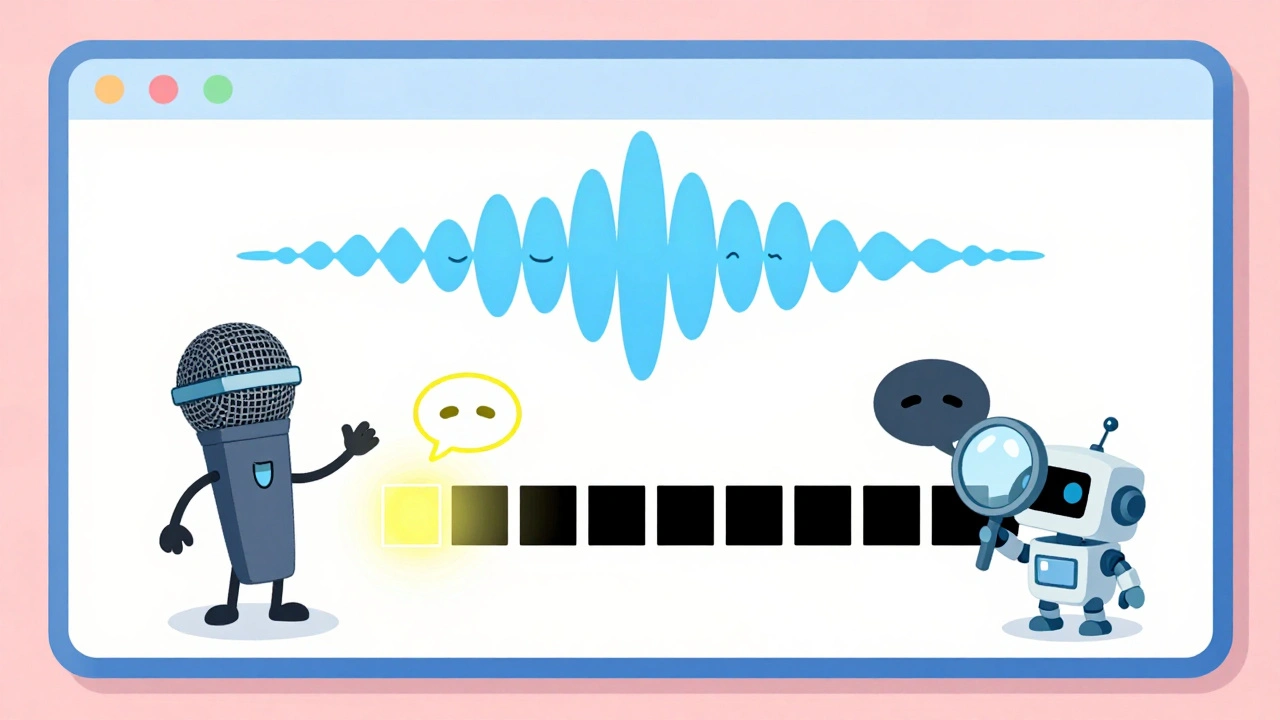
When you call a customer service line and the system understands exactly what you need—without pressing buttons—that’s speech detection, the technology that turns spoken words into actionable data in real time. Also known as voice recognition, it’s the quiet engine behind automated menus, call routing, and AI agents that actually sound human. It’s not sci-fi anymore—it’s in your business phone system right now.
Speech detection doesn’t just hear words; it reads intent. Is the caller asking for a refund? Trying to reset a password? Angry or calm? Systems using this tech analyze tone, pace, and keywords to decide the best next move. That’s why intelligent IVR, a smarter version of automated phone menus that uses speech detection to skip steps cuts hold times by up to 40%. It’s not asking you to press 1 for billing anymore—it’s saying, ‘I hear you’re having trouble with your bill. Let me connect you to someone who can fix it.’ This isn’t guesswork. It’s built on machine learning trained on millions of real calls.
Behind the scenes, call analytics, the process of turning voice data into measurable insights for teams relies on speech detection to track what’s working and what’s not. Did customers keep saying ‘transfer to agent’? That’s a red flag. Did they hang up after hearing ‘please hold’? That’s a missed opportunity. Companies use this data to fix IVR scripts, train agents, and even predict when someone might leave. And it’s not just for big corporations—small businesses using VoIP platforms like Five9 or Talkdesk now get the same tools, often for under $20 a user per month.
But speech detection isn’t perfect. Background noise, thick accents, or fast talkers can trip it up. That’s why the best systems combine it with voice recognition, the ability to identify who is speaking based on vocal patterns—so the system knows if it’s your regular customer or a scammer trying to impersonate them. This combo helps block fraud, personalize service, and even flag urgent situations like medical emergencies or threats.
What you’ll find in these posts isn’t theory. It’s real setups, real failures, and real fixes. You’ll see how AI handles call blending in busy centers, how compliance laws affect recording and detection, and why some companies waste money on tools that don’t actually understand speech. Whether you run a remote team, manage a call center, or just want fewer hold times on your own calls—this collection shows you what works today, what’s coming next, and how to avoid the traps most people don’t even know exist.