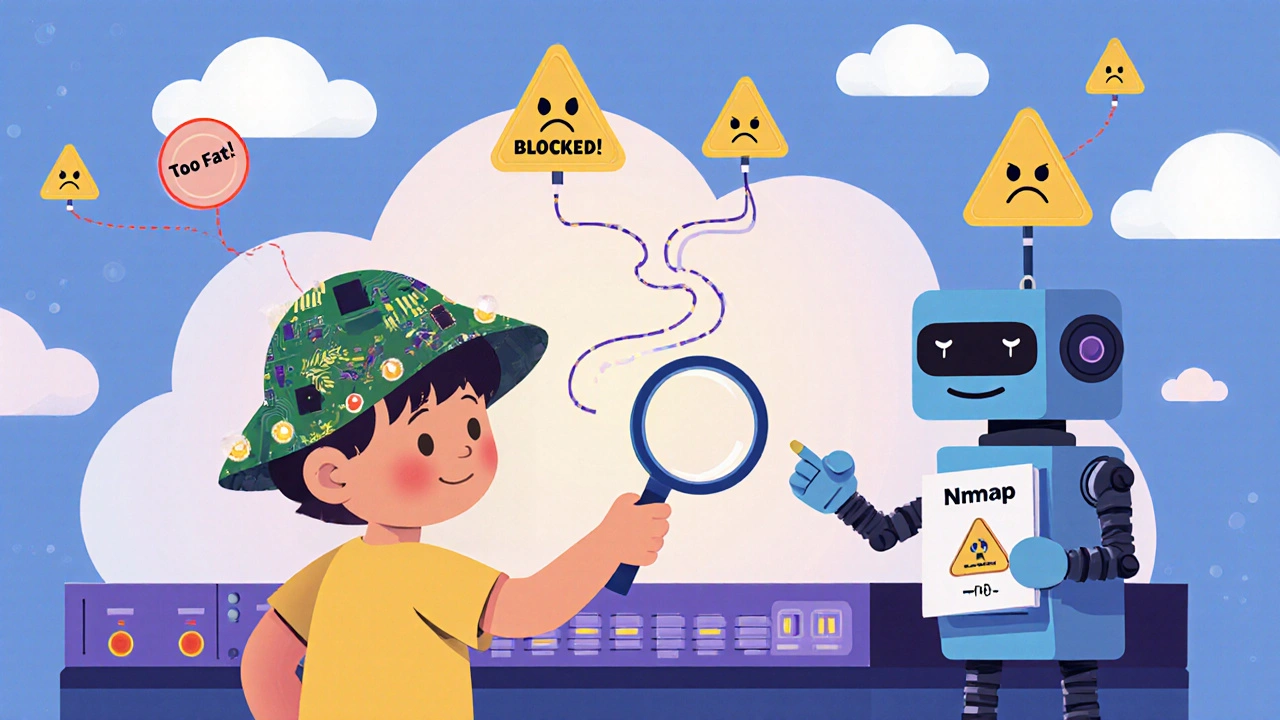
Network Reconnaissance: Tools, Tactics, and How to Secure Your VoIP System
When someone targets your business phone system, they don’t start by calling your front desk. They start with network reconnaissance, the process of scanning and mapping a network to find open ports, active devices, and exploitable services. Also known as network probing, it’s how attackers find the weak spots in your VoIP setup before launching an attack. If your SIP trunk is exposed, your phones are unpatched, or your firewall doesn’t filter traffic properly, network reconnaissance will find it—fast.
This isn’t science fiction. Hackers use free tools like Nmap, SIPVicious, and Wireshark to scan for open ports like 5060 (SIP) and 5061 (SIPS). They check for default credentials on VoIP phones, unencrypted media streams, and misconfigured VLANs. One study from 2024 found that over 60% of small business VoIP systems had at least one openly accessible port that could be exploited. That’s not a coincidence—it’s the result of skipped steps in network hardening. SIP scanning, a targeted form of network reconnaissance focused on Voice over IP protocols is especially dangerous because it can trigger toll fraud, eavesdropping, or even full system takeovers.
Network reconnaissance doesn’t just target phones. It looks at your entire infrastructure: routers, switches, PBX servers, and even cloud-based call platforms. Port scanning, the practice of checking which network ports are open and what services are running on them reveals everything from outdated firmware to unsecured web interfaces on your VoIP phones. And if you’re using VLANs to separate voice and data traffic but didn’t lock them down properly, that’s another entry point. These aren’t theoretical risks—they’re the exact issues covered in posts about VoIP security, VLAN design, and webhook hardening in this collection.
What you’ll find below aren’t just generic security tips. These are real-world fixes from businesses that got hit—and learned the hard way. You’ll see how to close open SIP ports, detect reconnaissance attempts before they turn into breaches, and configure firewalls to block automated scans. There’s advice on securing SIP traffic with ZRTP, locking down DHCP options for VoIP devices, and using HMAC signatures to protect integrations. You’ll also learn what network reconnaissance looks like in practice: the telltale signs of a probe, how to log it, and how to respond before your system is compromised. This isn’t about fear. It’s about control.