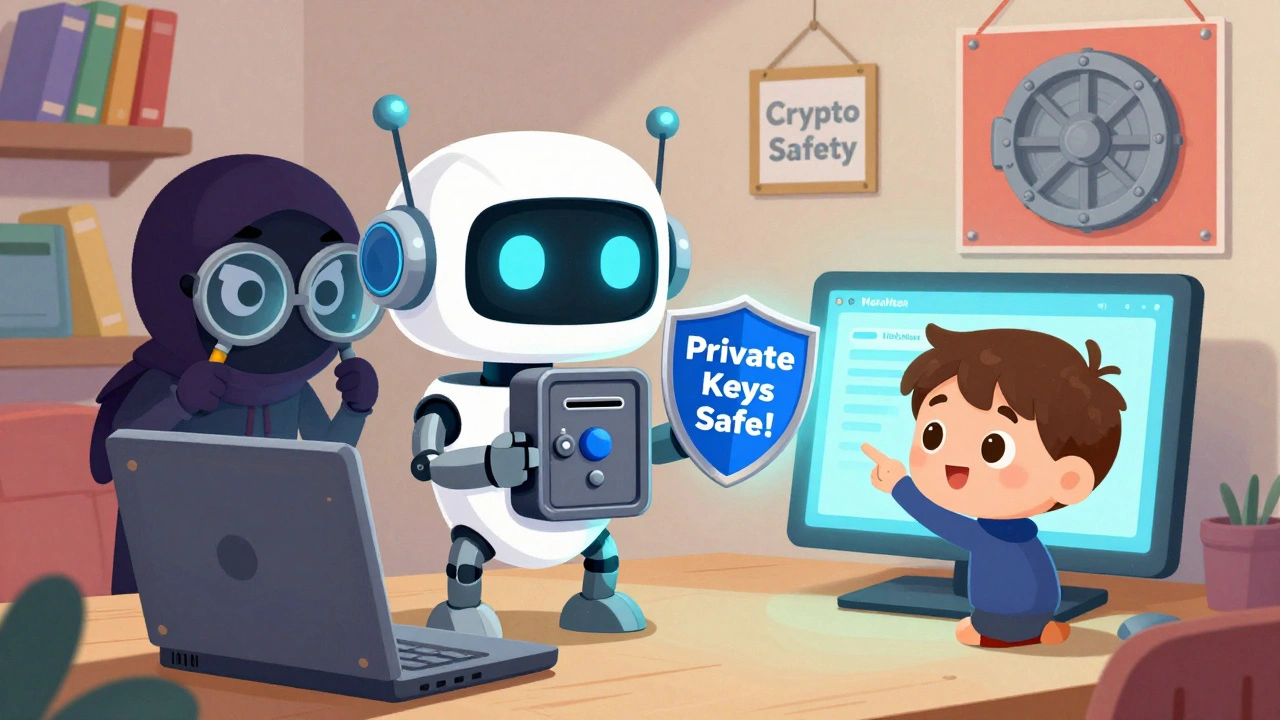
MetaMask: Crypto Wallets, Wallet Security, and Web3 Access Explained
When you use MetaMask, a browser-based cryptocurrency wallet that lets you store, send, and interact with digital assets on the Ethereum blockchain. Also known as Ethereum wallet, it acts as your key to Web3—letting you buy NFTs, join DAOs, and use DeFi apps without handing control to a bank or exchange. Unlike holding crypto on Coinbase or Binance, MetaMask puts you in charge. No middleman. No freeze orders. But that freedom comes with responsibility—if you lose your seed phrase, your coins are gone forever.
MetaMask isn’t just a wallet. It’s a bridge to Web3, a decentralized internet where users own their data, identity, and assets through blockchain technology. You use it to sign transactions on platforms like OpenSea for NFTs, or to vote in DAOs, decentralized autonomous organizations where governance tokens give holders voting power. It’s also how you connect to DeFi protocols like Uniswap or Aave to lend, borrow, or earn interest—without a bank account. But not all connections are safe. Scammers create fake websites that trick you into approving malicious transactions. One wrong click, and your ETH can vanish.
Security is the biggest challenge. MetaMask doesn’t store your keys—it just gives you tools to manage them. That means your cryptocurrency security, the practice of protecting digital assets from theft, hacking, and loss through best practices like hardware wallets and multi-signature setups depends entirely on you. Use a strong password. Never share your seed phrase. Enable two-factor authentication if your browser allows it. And consider moving large holdings to a hardware wallet like Ledger or Trezor while keeping small amounts in MetaMask for daily use.
MetaMask works with Ethereum, Polygon, BSC, and dozens of other chains. It’s the most popular wallet because it’s simple, free, and works right in your Chrome or Firefox tab. But it’s not the only option. Some users prefer Phantom for Solana, or Rainbow for iOS. Still, if you’re starting out in NFTs, DeFi, or DAOs, MetaMask is where you begin. And if you’re running a business that accepts crypto payments or needs to interact with smart contracts, you’ll need to understand how it handles signing and gas fees.
What you’ll find below are real guides on how MetaMask fits into larger systems—from securing NFT collections to avoiding phishing scams, from integrating with blockchain-based CRM tools to managing multiple wallets without getting lost. No fluff. Just what works in 2025.