Key Verification in VoIP: Secure Calls, Prevent Fraud, and Protect Your System
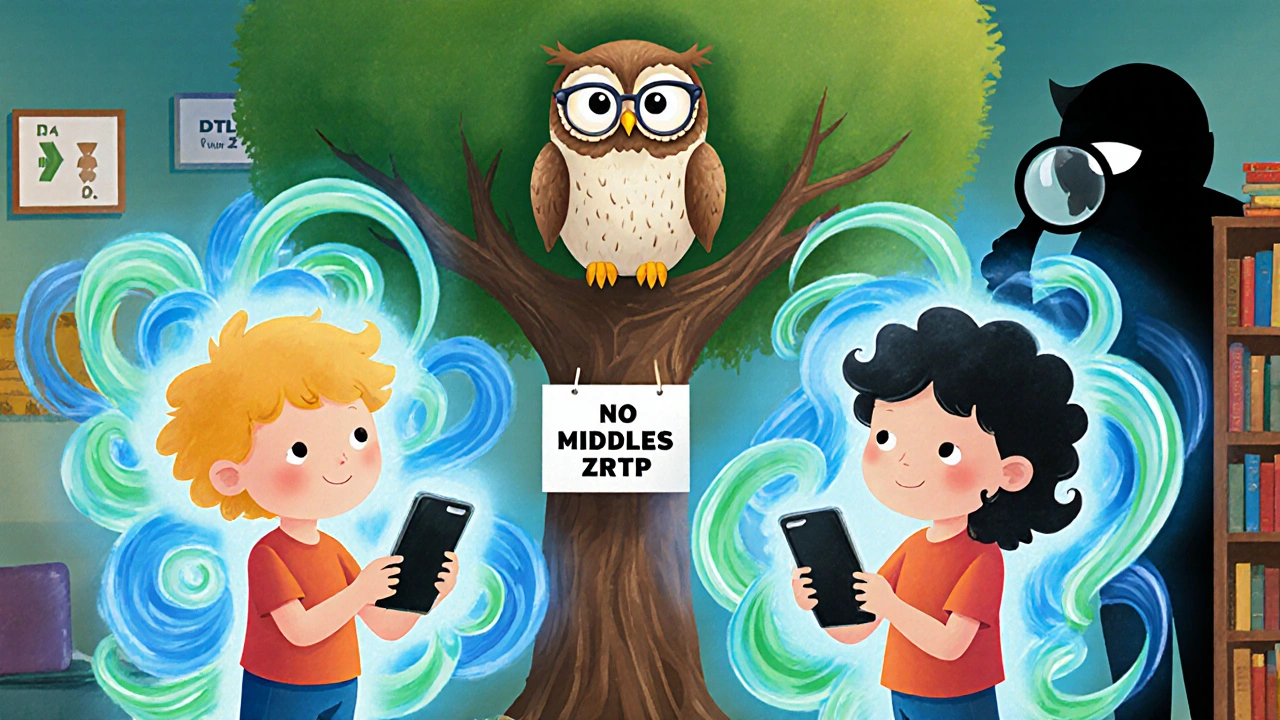
When you make a VoIP call, key verification, the process of confirming that devices and users are who they claim to be before allowing a connection. Also known as authentication, it's the first line of defense against eavesdropping, call hijacking, and toll fraud. Without it, anyone with your SIP credentials could impersonate your business, drain your credit, or intercept sensitive conversations.
Key verification isn’t just about passwords. It’s about SIP authentication, a protocol-level check that validates endpoints using credentials like usernames, hashes, and digital certificates. It works hand-in-hand with VoIP encryption, the scrambling of voice data so only authorized devices can decode it. Together, they stop man-in-the-middle attacks and ensure your call data doesn’t leak over public networks. You’ll find this in systems that use TLS for signaling and SRTP for media—tools that show up in secure webhook setups, cloud peering, and SIP intercom configurations across the posts below.
Many businesses skip key verification because they think their network is private or their provider handles it. That’s a dangerous assumption. Hackers target VoIP systems precisely because they’re often under-protected. A single leaked SIP password can let attackers make thousands of international calls—costing you hundreds or even thousands in fees. That’s why call integrity, the guarantee that a call isn’t tampered with, redirected, or altered mid-transmission depends on strong key verification from the very first handshake.
You don’t need a cybersecurity degree to implement it. Most modern VoIP phones, PBX systems, and cloud providers offer built-in options: certificate-based auth, digest authentication, or even two-factor login for admin portals. The real challenge isn’t complexity—it’s consistency. Are you verifying every device? Are your SIP trunks locked down? Are your webhooks signed with HMAC to prevent spoofing? These are the same questions covered in posts about webhook security, VLAN design, and SIP intercoms. This collection gives you the practical steps: how to spot weak setups, how to test your configuration, and how to fix common misconfigurations that leave you exposed.
Key verification isn’t a feature you add after the fact. It’s the foundation. Whether you’re running a small business with a few softphones or a call center with dozens of SIP endpoints, if you’re not verifying who’s connecting, you’re not really secure. Below, you’ll find real-world guides that show you exactly how to lock down your system—no theory, no fluff, just what works in 2025.