End-to-End Encryption: How VoIP Calls Stay Private and Secure
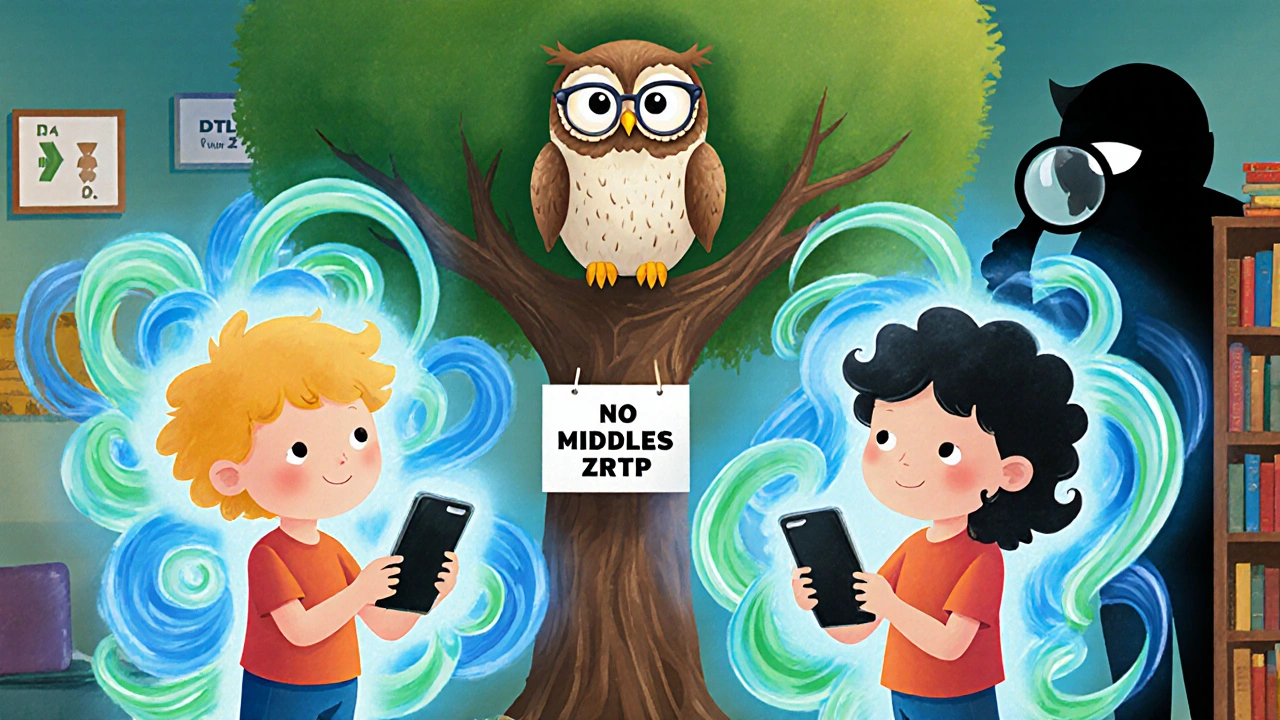
When you make a VoIP call, end-to-end encryption, a method that locks your voice data so only the sender and receiver can unlock it. Also known as E2EE, it stops hackers, ISPs, and even your service provider from listening in. Without it, your business conversations, customer details, and personal chats are just packets flying across the internet—easily intercepted. Many VoIP providers claim to be secure, but if they hold the encryption keys, they can access your calls. True end-to-end encryption means no middleman ever sees your audio in plain text.
This isn’t just for spies or activists. Small businesses using VoIP for customer service, legal consultations, or healthcare calls are legally required to protect voice data under HIPAA, GDPR, and TCPA. A single leaked call can cost thousands in fines. SIP encryption, the protocol layer where secure signaling happens is often confused with audio encryption. SIP can be encrypted with TLS, but that only protects the call setup—not the actual voice. Real encrypted calls, voice data scrambled before it leaves your device and only unscrambled on the other end need SRTP (Secure Real-time Transport Protocol), which is built into modern VoIP systems like Signal, Zoom Phone, and some enterprise SIP providers. If your phone system doesn’t mention SRTP by name, it’s probably not truly end-to-end encrypted.
What you’ll find in this collection are real-world breakdowns of how encryption works in VoIP, which providers actually deliver it, and what to watch out for. You’ll see how companies fix broken encryption setups, why some free tools fail at privacy, and how to check if your current system is truly secure. No marketing fluff—just what works, what doesn’t, and how to protect your calls before it’s too late.