Call Recording Laws: What You Must Know to Stay Legal
When you record a call, you’re not just capturing audio—you’re handling sensitive personal data. Call recording laws, legal rules governing when and how voice conversations can be recorded. Also known as wiretapping laws, these rules exist to protect privacy, and ignoring them can lead to fines, lawsuits, or even criminal charges. It doesn’t matter if you’re a small business owner, a remote agent, or just recording a conversation with a client—these laws apply to you.
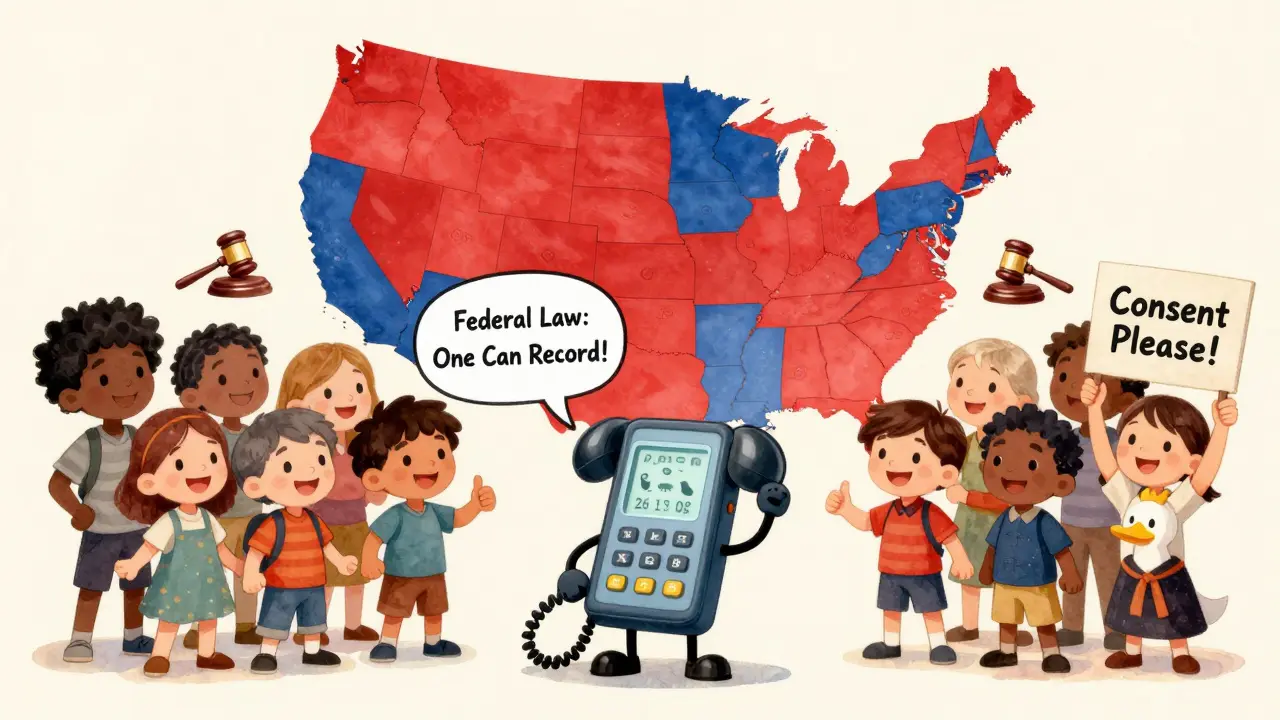
There are two main types of consent rules: one-party consent, where only one person in the call needs to know it’s being recorded, and two-party (or all-party) consent, where everyone involved must agree before recording begins. In the U.S., 38 states follow one-party consent, but 12—including California, Illinois, and Florida—require everyone’s permission. In the EU, GDPR makes consent even stricter: you need clear, informed, and documented agreement, and you must explain why you’re recording and how you’ll use the data. Outside the U.S. and EU, countries like Australia and Canada have their own variations. This isn’t just about ethics—it’s about legal risk. A single unconsented recording can trigger a class-action lawsuit.
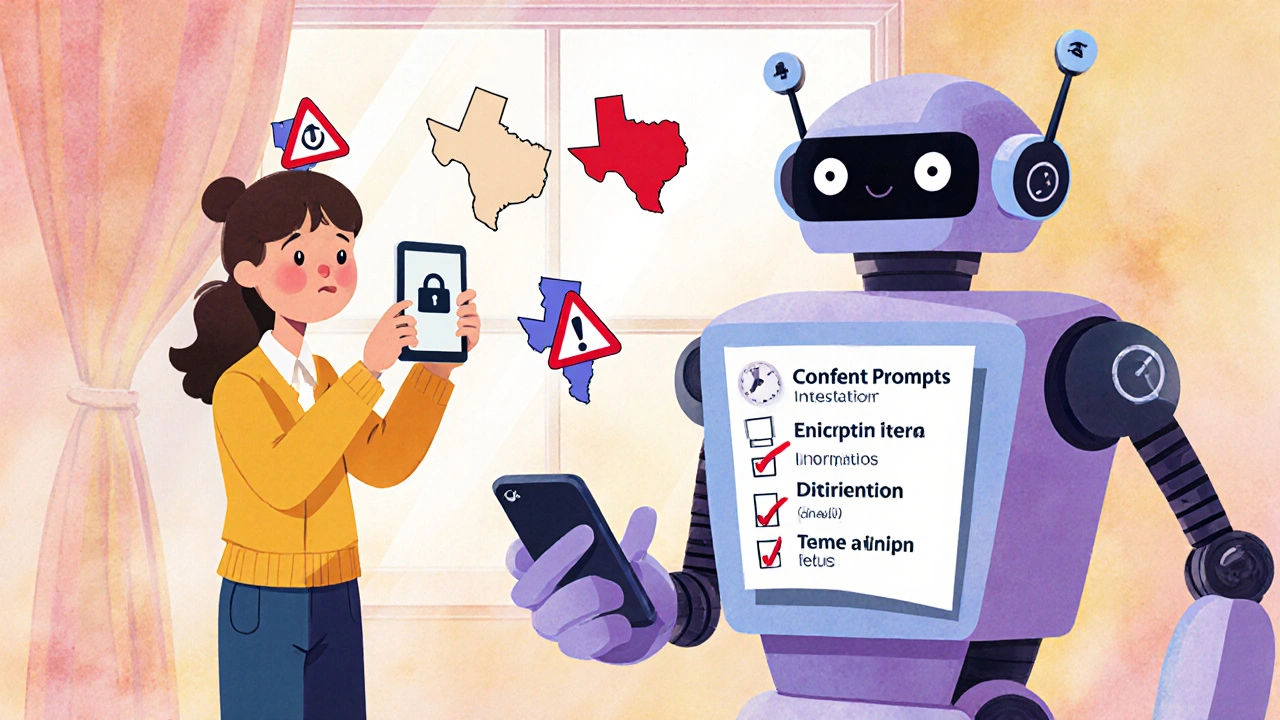
These rules connect directly to the tools you use. If you’re using VoIP recording through platforms like RingCentral, Five9, or Dialpad, your provider might offer built-in compliance features like automated alerts or consent prompts. But the system won’t protect you if you don’t set it up right. You also need to consider where your agents are located. If someone works from home in a two-party state while your company is based in a one-party state, the stricter law applies. And don’t assume that if a customer says "go ahead" verbally, that’s enough. Courts often require clear, unambiguous consent—preferably documented. Recording for training? You still need consent. Recording for security? Still need consent. There’s no loophole.
Many businesses think compliance is just a legal department problem. But it’s an operational one too. Your call center software, your CRM integrations, your agent scripts—all of it needs to align with the laws where your callers are. That’s why posts in this collection cover real-world setups: how to trigger consent prompts in VoIP systems, how to audit your recordings for compliance, and how to train teams so they don’t accidentally violate the law. You’ll find practical guides on configuring your system to auto-notify callers, how to handle cross-border calls, and what to do if a customer refuses consent. This isn’t theory. These are the steps businesses are using right now to avoid penalties and keep their operations running.