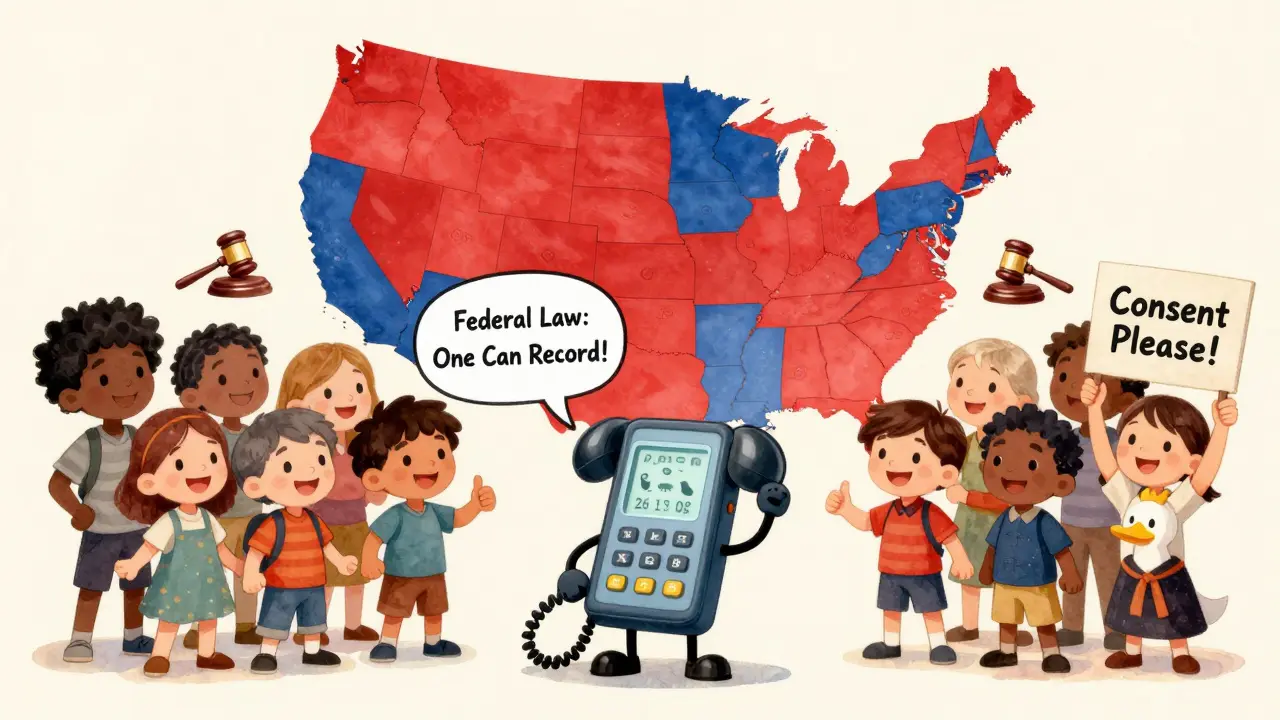
Recording phone calls seems simple-hit record, save the conversation, and move on. But if you’re doing it for business, especially across state or national lines, you’re stepping into a legal minefield. One wrong move, and you could face fines, lawsuits, or even criminal charges. The rules aren’t just different between countries-they’re different between states in the U.S. alone. And if you think federal law gives you a free pass, you’re already behind.
What’s the Real Rule? One-Party vs. Two-Party Consent
In the U.S., federal law under the Electronic Communications Privacy Act (ECPA) allows recording if at least one person in the call consents. That means if you’re on the call, you can legally record it-even without telling the other person. Sounds straightforward, right? Not quite. Thirty-eight states and Washington, D.C. follow this federal standard. But 11 states demand all parties consent. That’s not just a polite request-it’s the law. If you record a call with someone in California, Florida, or Pennsylvania without telling them, you’re breaking the law-even if you’re based in Texas or Arizona. Here’s how it breaks down:- One-party consent states: Arizona, Colorado, New Jersey, New York, Texas, South Carolina, and others. You’re fine as long as you’re part of the call.
- Two-party (all-party) consent states: California, Florida, Illinois, Massachusetts, Pennsylvania, Washington, Connecticut, and more. Everyone on the line must know and agree.
California: The Strictest State in the Nation
California doesn’t just require consent-it treats call recording like a felony. Under the California Invasion of Privacy Act (CIPA), recording any “confidential communication” without all-party consent is illegal. That includes almost every business call. Violations can mean up to one year in jail and $2,500 in fines per incident. And it’s not just about residents. If you’re recording a call with someone physically located in California-even if they’re just visiting-you’re subject to CIPA. That’s why 89% of Fortune 500 companies use geolocation tools to detect where callers are before recording even starts. There’s also a myth that a beep tone fixes everything. Some companies play a constant beeping sound during calls, thinking it counts as notice. But in 2024, a California court ruled in Smith v. TechSolutions Inc. that a continuous beep doesn’t count as consent. You need clear, verbal, or written agreement.Other High-Risk States
Florida’s penalties are brutal. Violating their recording law is a third-degree felony, punishable by up to five years in prison per offense. Illinois treats first-time violations as Class 4 felonies. Massachusetts? Up to five years behind bars. These aren’t warnings-they’re real criminal consequences. Pennsylvania requires explicit consent before the recording starts. Just saying “this call may be recorded” during the call isn’t enough. You need to get permission upfront. And Pennsylvania’s 2024 update requires every recording to have a digital audit trail showing exactly when and how consent was obtained.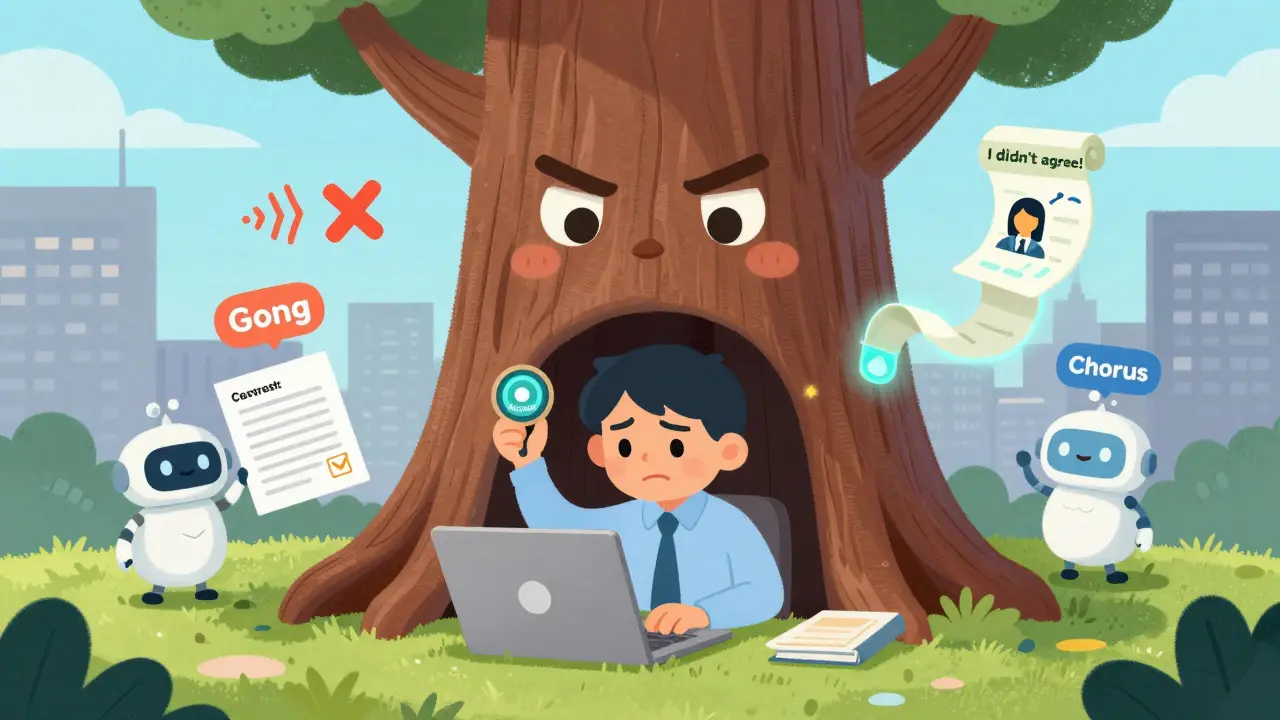
What About Outside the U.S.?
If you’re doing business internationally, the rules get even more complex.- United Kingdom: Follows one-party consent, similar to U.S. federal law. You can record if you’re part of the call.
- Canada: Governed by PIPEDA. You need meaningful, informed consent to collect personal information-including call recordings.
- Australia: Federal law allows one-party consent, but states like New South Wales and Western Australia require all-party consent. It’s a patchwork, just like the U.S.
- European Union: Under GDPR, recording personal data (including voice) requires explicit consent. You must also inform people why you’re recording, how long you’ll keep it, and give them the right to delete it.
How Businesses Are Actually Complying
Most companies that get this right use automated systems. Manual processes don’t scale. Sales teams, customer service reps, and support staff can’t be expected to memorize 50 different state laws. Leading tools like CallRail, Gong, and Chorus now include real-time geolocation and dynamic consent protocols. When a call comes in, the system checks the caller’s location. If they’re in California, it triggers a consent script. If they’re in Texas, it just records. This cuts compliance errors by over 90%. But it’s not just software. You need:- Geolocation accuracy within 5 miles (FCC requirement)
- Consent captured at the exact moment the recording starts
- A digital log showing who gave consent, when, and how
- Training for every employee who handles calls
What You Must Do Right Now
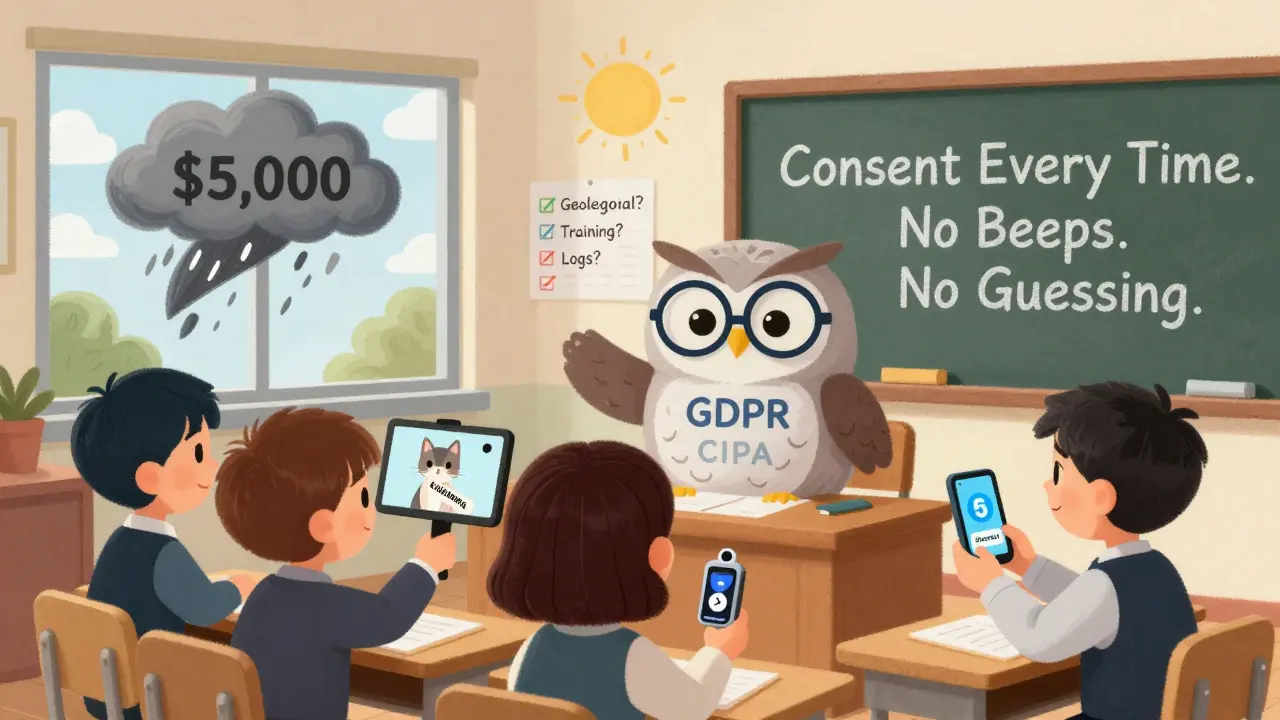
If you’re recording calls for business, here’s your checklist:- Map your callers. Where are your customers located? Use your CRM or call platform to identify high-risk states.
- Implement geolocation. Your VoIP or call recording tool must know where each caller is physically located.
- Use dynamic consent. Automatically trigger a consent prompt for callers in two-party states. Don’t rely on a generic “this call may be recorded” notice.
- Train your team. Every employee who records calls needs to know the rules. Annual training isn’t enough-refresh every quarter.
- Keep records. California requires written consent records for two years. Federal law only requires six months. Store more, not less.
- Review video calls. As of January 1, 2026, California’s CPRA extends all-party consent to video conferences. That includes Zoom, Teams, and Google Meet.
What’s Coming Next
The legal landscape isn’t staying still. In 2026, 75% of U.S. states are expected to introduce rules for AI-powered call transcription and voice analytics. Right now, most laws only cover recording-not analysis. That gap is being exploited, and regulators are taking notice. The American Bar Association estimates a 65% chance of federal legislation by 2028 to standardize recording rules. But until then, you’re stuck with the patchwork. And enforcement is getting stricter. California filed 87 enforcement actions in 2025-up from 29 in 2022. The FTC received 63% more complaints about unauthorized recording between 2023 and 2025. Small businesses are hit hardest. 68% report compliance difficulties. The average cost to implement full compliance? $14,500 a year. That’s why so many just don’t bother-and end up in court.Final Reality Check
You can’t guess your way out of this. Assuming federal law covers you? That’s how lawsuits start. Thinking a beep tone is enough? That’s how you get fined. Believing you’re safe because you’re not in California? That’s how you lose. Call recording compliance isn’t a tech problem. It’s a legal one. And the cost of getting it wrong isn’t just financial-it’s reputational, and sometimes, personal. Do the work. Use the tools. Train your team. Record only when you have clear, documented consent. The alternative isn’t worth the risk.Is it legal to record a call without telling the other person?
It depends on where you and the other person are located. Under federal law in the U.S., yes-if you’re one of the people on the call. But in 11 states, including California, Florida, and Pennsylvania, you must get permission from everyone involved. If you don’t, you could face criminal charges or lawsuits.
Can I record a call with someone in another state?
Yes, but you must follow the strictest law. If you’re in Texas (one-party consent) and call someone in California (two-party consent), you must get consent from both parties. The location of the person being recorded determines the applicable law, not where you are.
Does a beep tone count as legal consent?
In most places, no. California’s courts have ruled that a continuous beep tone does not satisfy the legal requirement for consent under the California Invasion of Privacy Act. You need clear, affirmative agreement-either verbal, written, or through an electronic opt-in.
What if I’m recording for quality control or training?
Purpose doesn’t override consent. Even if you’re recording for training, compliance, or legal protection, you still need permission under two-party consent laws. Some states allow exceptions for business purposes, but California and others do not. Always assume consent is required.
Do I need to record consent every time?
Yes, for each call in two-party states. Consent must be obtained at the start of each recording session. Pre-recorded disclaimers or blanket consent forms don’t count. Each interaction is a separate legal event, and you must capture consent each time.
What happens if I get sued for illegal recording?
You could face civil penalties up to $5,000 per violation in some states, criminal charges (including jail time in Florida and Massachusetts), and class-action lawsuits. In California, companies have paid millions in settlements for mass violations. Insurance often won’t cover these costs.
Do I need to record video calls too?
Yes, as of January 1, 2026, California’s CPRA extends all-party consent rules to video conference recordings. This includes Zoom, Microsoft Teams, and Google Meet. If you’re recording audio and video of a call with someone in California, you need consent from everyone involved.
Can I use AI to transcribe call recordings?
It depends. Current laws focus on recording, not transcription. But many states are moving to regulate AI-powered voice analysis as a form of data collection. In California, transcribing a call without consent may already violate privacy laws. Expect new rules to emerge in 2026-2027 specifically targeting AI transcription tools.