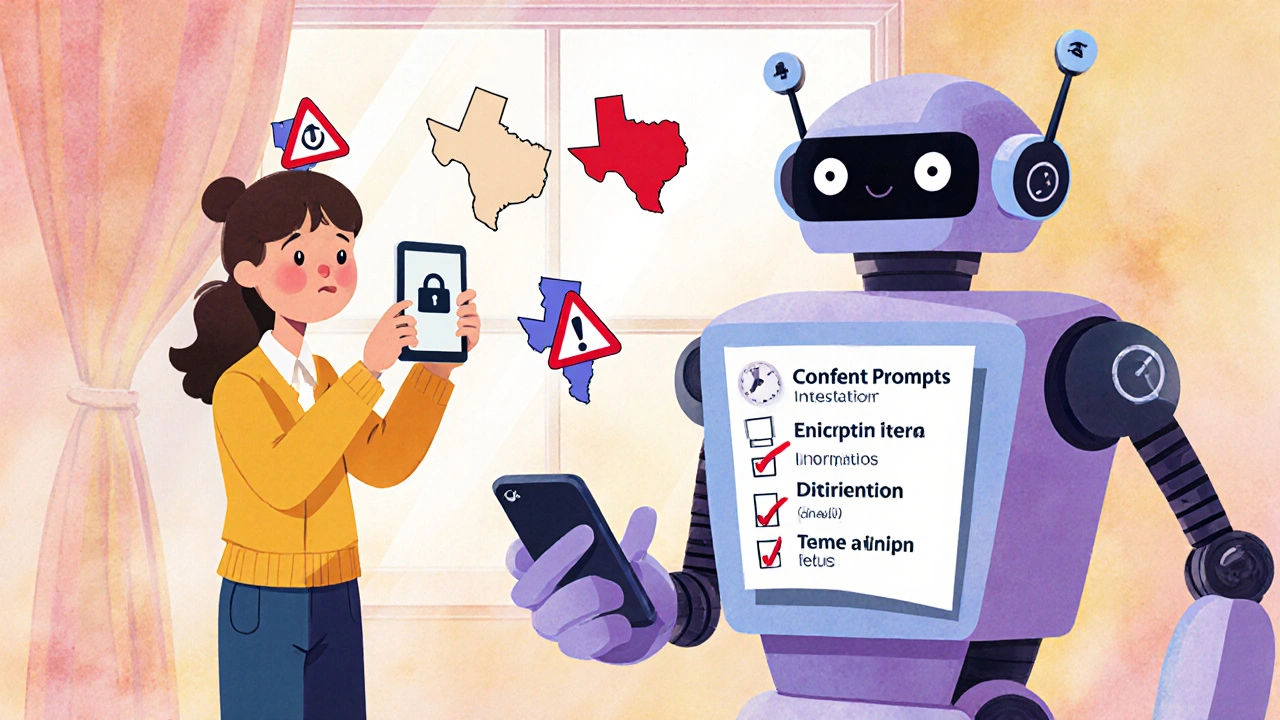
VoIP Legal Risks: What You Must Know to Avoid Fines and Lawsuits
When you use VoIP, a technology that sends voice calls over the internet instead of traditional phone lines. Also known as IP telephony, it saves money but comes with hidden legal traps that can land you in court or hit you with heavy fines. Many businesses think VoIP is just a cheaper phone system—but it’s also a data pipeline. That means it’s subject to privacy laws, copyright rules, and telecom regulations you might not even know exist.
One of the biggest call recording compliance, the legal requirement to notify parties when recording conversations. Also known as consent laws, it varies by state and country. If you’re recording calls for training or quality control, you need to know whether you’re in a one-party or two-party consent state. Violating this isn’t a warning—it’s a $10,000+ fine per call under the TCPA, Telephone Consumer Protection Act, a U.S. law that protects consumers from unsolicited calls and recordings. And it’s not just U.S. businesses: GDPR in Europe and similar laws elsewhere treat call recordings as personal data. Recording without consent can mean global penalties.
Then there’s music on hold licensing, the legal need to pay royalties when playing music during hold times. A lot of companies think they can just stream Spotify or YouTube music for customers on hold. That’s a mistake. Playing copyrighted music in a business setting—even if it’s just in the background—requires a license from ASCAP, BMI, or SESAC. Without it, you’re open to lawsuits from music publishers. Real companies have paid six-figure settlements over this.
And don’t forget VoIP webhook security, how third-party apps like Twilio or Zapier connect to your VoIP system to send alerts or log data. If your webhooks aren’t protected with HMAC signatures or IP allowlisting, hackers can intercept call data, fake incoming calls, or steal customer info. A single unsecured webhook can lead to a data breach, which triggers more legal headaches under HIPAA (if you handle health data) or PCI DSS (if you process payments).
These aren’t theoretical risks. Small businesses get targeted because they assume they’re too small to matter. But regulators don’t care about your size—they care about whether you broke the rules. One wrong move with call recording, one unlicensed song on hold, one unsecured API, and you’re looking at legal bills that could wipe out your VoIP savings.
What you’ll find below are real, practical guides that break down exactly how to fix these problems. No theory. No fluff. Just steps to make your VoIP system legally safe—whether you’re running a two-person team or a 50-person call center. You’ll learn how to set up compliant call recording, where to get licensed hold music, how to lock down your integrations, and what to watch out for before you sign up for any VoIP provider. These aren’t suggestions. They’re your checklist to avoid getting sued.