VoIP Call Center: Tools, Metrics, and Systems for Modern Support Teams
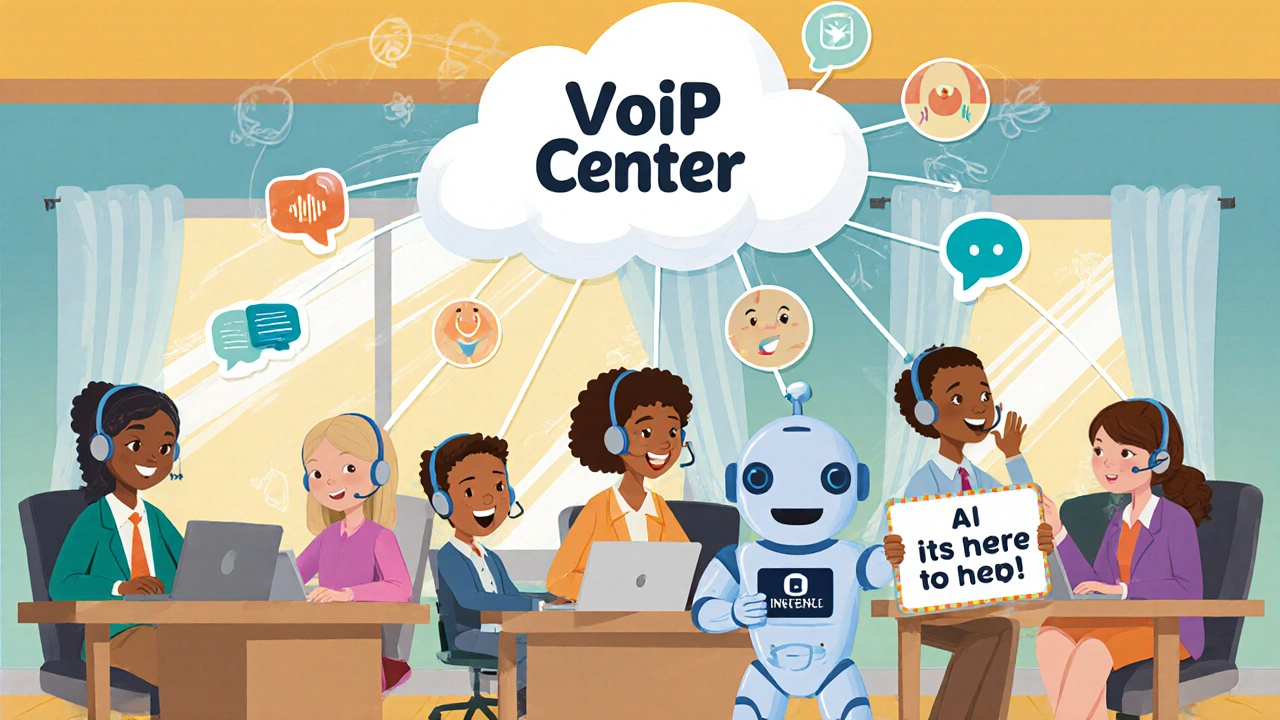
When you think of a Voice over IP call center, a customer service operation that uses internet-based phone systems instead of traditional phone lines. Also known as a cloud contact center, it lets teams handle calls, chats, and emails from anywhere — using software, not hardware. This isn’t just about saving money on phone bills. It’s about making support faster, smarter, and more scalable. A modern VoIP call center relies on real-time data, automated routing, and seamless integrations to keep customers happy and agents from burning out.
Behind every smooth call is a stack of working parts. Automatic Call Distribution (ACD), a system that routes incoming calls to the best-suited agent based on skill, availability, or customer history keeps wait times low. Wallboards, live dashboards that show metrics like average handle time and queue length help managers spot bottlenecks before they become problems. And agent scripting, guided conversation flows that pop up with CRM data during a call ensures no agent misses a key step — whether they’re new or seasoned. These aren’t fancy add-ons. They’re the baseline for teams that want to scale without sacrificing quality.
What makes a VoIP call center work isn’t the brand of phone or the cost of the plan. It’s how well the pieces connect. A VoIP integration with Salesforce or HubSpot, automatically logging calls, triggering follow-ups, and pulling up customer history before the agent answers cuts handle time by half. DSCP markings, traffic prioritization settings that give voice packets first access to bandwidth keep calls clear even when the network is busy. And call tagging taxonomy, a standardized list of reasons and outcomes for every call turns raw data into insights you can act on. Skip these, and you’re just moving calls through a digital funnel — not improving service.
You’ll find real examples below: how Five9 and Talkdesk differ in setup and AI features, why refurbished phones make sense for growing teams, how to avoid legal traps with call recording laws, and what metrics actually matter when measuring agent performance. No theory. No fluff. Just what works for teams running VoIP call centers today.