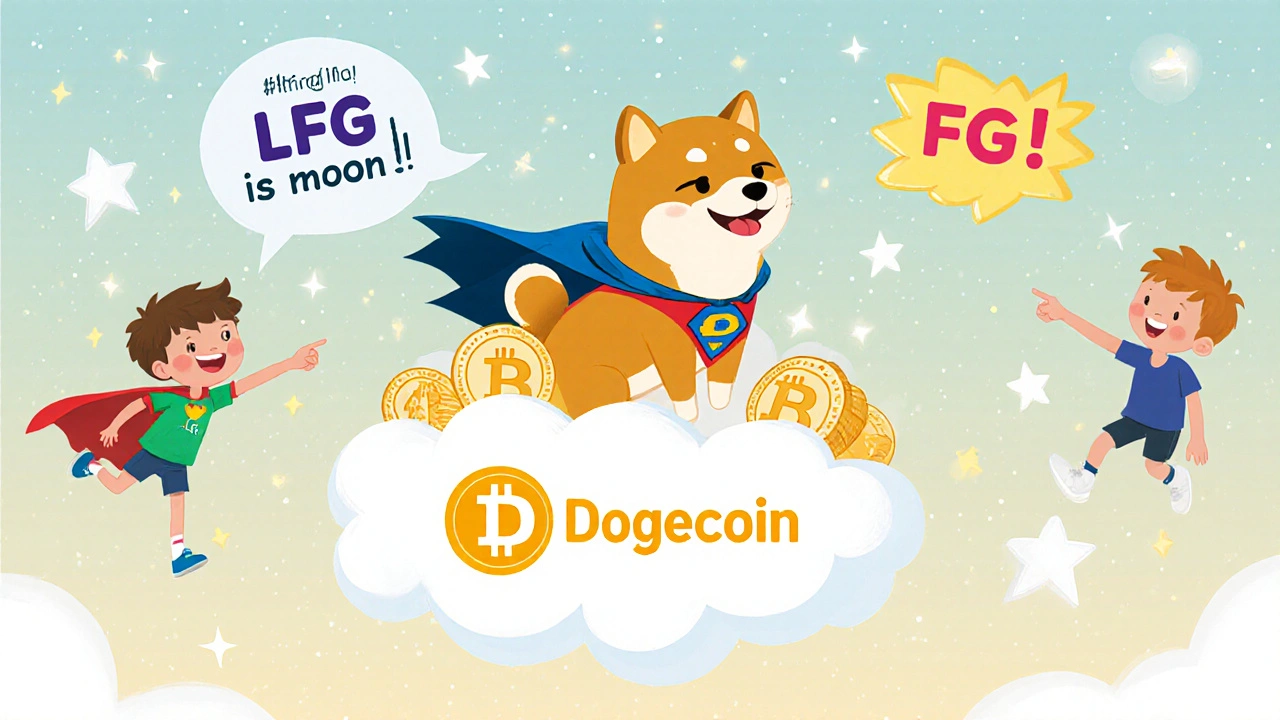
Meme Coins: What They Are, Why They Matter, and What They Have to Do With VoIP
When you hear meme coins, a type of cryptocurrency created as jokes or internet trends, often with no real utility or backing. Also known as dog coins, they shitcoins, they are basically digital inside jokes that some people treat like investments. Dogecoin started as a parody of Bitcoin. Shiba Inu followed. Pepe Coin came later. None of them were built to change finance—they were built to go viral. And yet, billions of dollars have flowed into them. Why? Because people aren’t buying coins. They’re buying attention, community, and the hope that the next big thing might be free.
So why does this matter to a site about VoIP? Because the same forces driving meme coins—low-cost tech, decentralized networks, and hype-driven adoption—are also reshaping how businesses communicate. Just like meme coins rely on blockchain to bypass traditional finance, VoIP uses the internet to bypass phone companies. Both cut out middlemen. Both thrive on open protocols. Both attract people who want to skip the old rules. And both attract scammers. You don’t need a PhD in crypto to understand that if someone’s selling you a "guaranteed" meme coin with a fake whitepaper, you’re being played. Same goes for a "free VoIP system" that asks for your SIP credentials or demands a "one-time setup fee." The tech is legit. The hype? Not so much.
Look at the posts below. You’ll find real guides on VoIP setup cost, call recording compliance, least privilege in VoIP admin, and how to avoid toll fraud. These aren’t flashy. They don’t promise overnight riches. But they’re the kind of practical, no-nonsense advice that keeps your business running—unlike meme coins, which live and die by Twitter trends. If you’re trying to cut phone bills, secure your calls, or set up a virtual receptionist for your remote team, you don’t need a meme. You need a system that works. The posts here give you exactly that: clear, tested, real-world fixes—not hype, not speculation, just results.