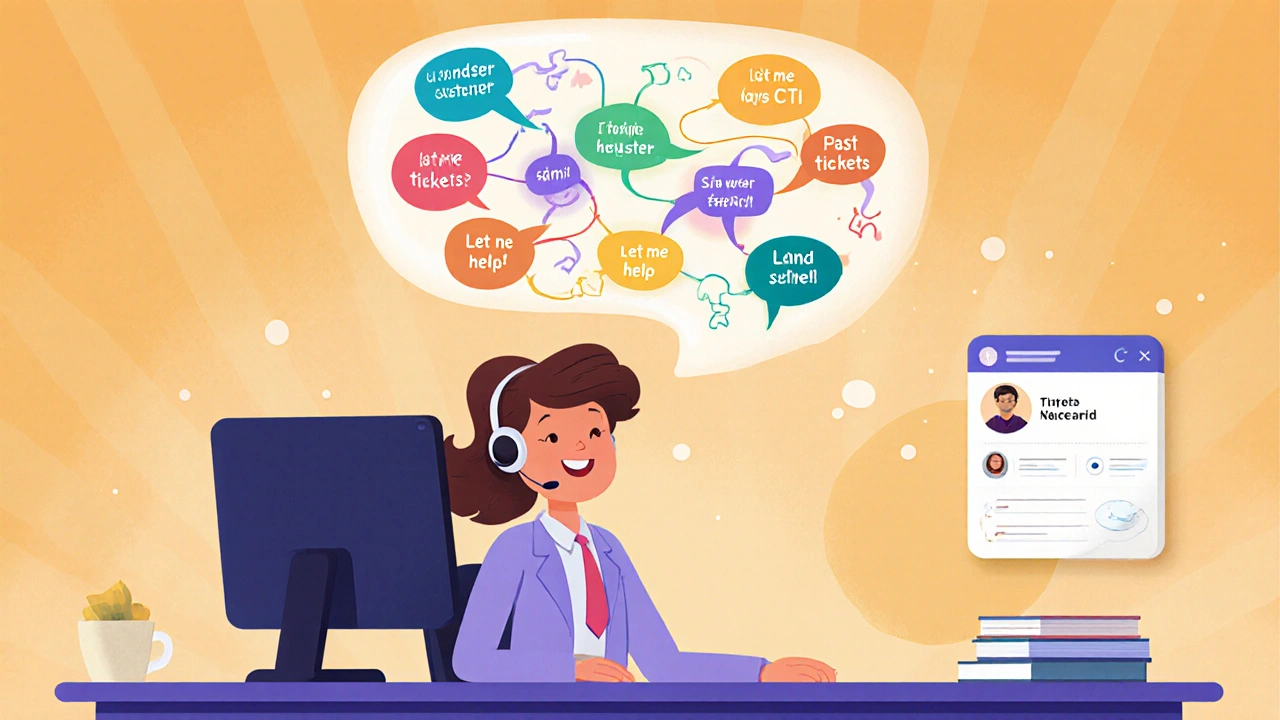
Guided Conversations in VoIP: Improve Call Quality, Compliance, and Team Performance
When you think of guided conversations, structured interactions in VoIP systems that direct call flow, capture intent, and improve outcomes. Also known as call disposition workflows, it isn't just about answering calls—it's about making every call useful. Whether you're a small business owner, a call center manager, or a remote sales rep, guided conversations turn random phone chats into repeatable, trackable, and improvable processes.
These conversations rely on three core pieces: VoIP call tagging, standardized labels for call outcomes like "Closed Sale," "Follow Up," or "Complaint Escalated", call recording compliance, legal rules around consent and retention that ensure you don’t get fined, and call center analytics, data from real calls that show what’s working and what’s not. Without tagging, your recordings are just noise. Without compliance, you risk lawsuits. Without analytics, you’re guessing at performance.
Companies that use guided conversations see real results: sales teams close 20% more deals because they follow proven scripts, support teams reduce handle time by cutting through filler talk, and managers spot training gaps before they become customer complaints. You don’t need fancy AI to start—just clear rules. What does a "failed lead" really mean in your business? Is it "not interested," "wrong number," or "didn’t understand the price"? Define it. Tag it. Measure it.
And it’s not just about sales. In healthcare, guided conversations help with HIPAA compliance during call recording. In finance, they ensure PCI DSS rules are followed every time a card number is mentioned. Even in small offices, a simple checklist in your VoIP system can stop agents from forgetting to log calls into CRM or missing key customer concerns.
The posts below show you exactly how to build these systems. You’ll find step-by-step guides on setting up call tagging taxonomies that actually get used, how to avoid $10,000 fines by getting consent right, and how to use keyword detection in call transcripts to find hidden problems customers keep mentioning. You’ll also see how wallboards and analytics turn raw data into team motivation, and how tools like Zapier can auto-log missed calls into spreadsheets so nothing slips through the cracks.