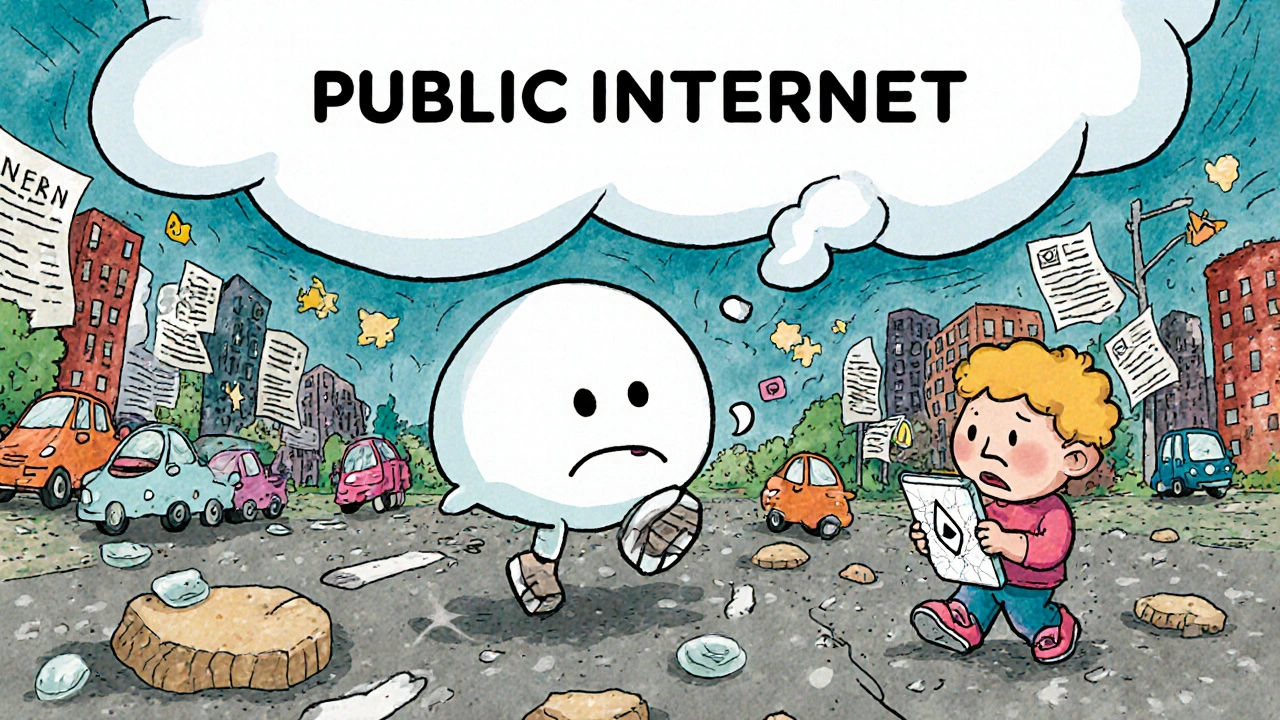
Cloud Peering: How Direct Network Connections Improve VoIP Call Quality
When your VoIP calls sound clear and connect instantly, chances are cloud peering, a direct network link between cloud providers or between a business and a cloud service. It bypasses the public internet to keep voice traffic fast and stable. Without it, your calls travel through multiple third-party networks, adding delay, jitter, and dropped packets—especially if you're using services like RingCentral, Zoom Phone, or Microsoft Teams. Cloud peering fixes that by creating a private highway for your SIP traffic, so your calls don’t get stuck in online traffic jams.
It’s not just for big enterprises. Any business using cloud-based VoIP can benefit, especially if your team works remotely, handles customer calls all day, or relies on video conferencing. network latency, the delay between when a voice packet is sent and when it’s received is the enemy of clear calls. Even 150ms of delay makes conversations feel unnatural. Cloud peering often cuts that to under 50ms. And when you combine it with proper DSCP marking, a way to tag voice data so routers prioritize it—as covered in our post on VoIP DSCP markings—you’re not just avoiding bad calls, you’re engineering reliable ones.
Think of it like upgrading from a country road to a toll-free expressway. Your data doesn’t have to wait behind file downloads, streaming videos, or random internet traffic. That’s why providers like Vonage and Twilio offer direct peering options—they know their customers won’t tolerate choppy audio. And if you’re setting up a call center, peering works hand-in-hand with Voice VLAN, a separate network segment just for voice traffic to keep everything isolated and smooth.
You won’t find cloud peering in free VoIP plans or basic home setups. It’s a business-grade feature, usually tied to paid cloud providers or enterprise-grade network configurations. But if you’re paying for a premium VoIP system and still hearing delays or robotic voices, the issue might not be your phones or internet speed—it’s the path your calls take. This collection dives into exactly that: how direct connections, network design, and traffic prioritization turn frustrating calls into seamless conversations. You’ll find real setups, vendor comparisons, and fixes that actually work—not theory, just what’s happening in the field today.