Carrier Porting Time: How Long It Really Takes to Switch Phone Providers
When you switch phone providers, carrier porting time, the period it takes to transfer your phone number from one provider to another. Also known as number porting, it’s not a simple button click—it’s a handshake between carriers that can take hours or weeks, depending on who’s involved. If you’re moving from a landline to VoIP, or switching between VoIP providers like Nextiva and RingCentral, the clock starts ticking the moment you submit your request. Most people assume it’s instant, like switching streaming services. It’s not.
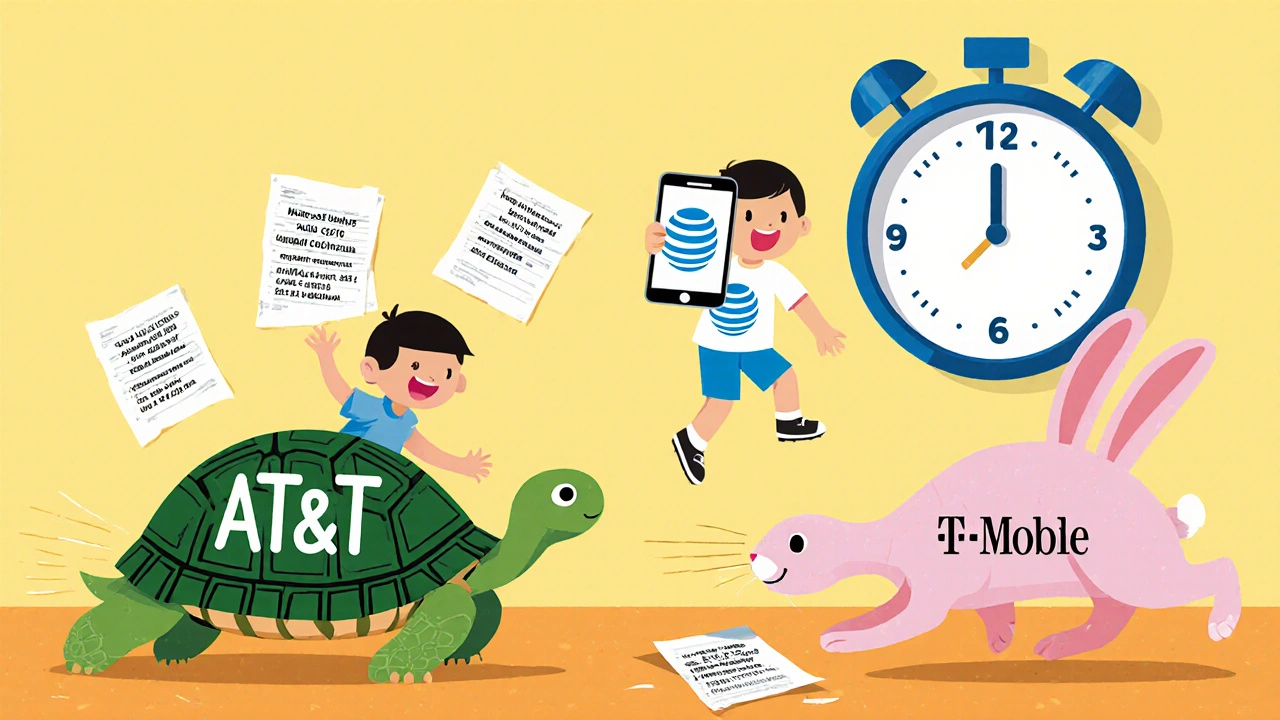
Real carrier porting time usually runs between 1 to 10 business days. Small businesses and home users often get their numbers moved in 2 to 5 days. But if your old provider is a legacy telecom like AT&T or a regional carrier with outdated systems, it can drag to 10 days or more. Why? Because the process relies on manual verification, paper forms, and legacy databases that still exist in 2025. Even if you’re using a modern VoIP service, the porting system doesn’t care—it follows the same rules as the old phone companies.
What slows it down? Three things: incorrect account info, mismatched names or addresses, and carriers that don’t respond quickly. If your old provider’s records say your name is "John Smith" but your bill says "J. Smith," the port gets stuck. Same if your billing address doesn’t match exactly. You’d be surprised how often people miss this. And if your current provider is slow to approve the request—some still use fax or email instead of automated systems—it adds days. DID porting, the transfer of Direct Inward Dialing numbers used in VoIP systems. Also known as number transfer, it follows the same rules as traditional line porting. You can’t speed it up by calling customer service. They can’t force the other carrier to move faster. But you can avoid delays by double-checking every detail before you submit.
Some providers offer number parking, a temporary holding service that lets you keep your number active while you wait for the port to complete. Also known as DID reservation, it’s a lifesaver for businesses that can’t afford downtime. If you’re switching providers, don’t cancel your old service until the port is confirmed. Otherwise, you risk losing your number entirely. That’s not theoretical—it happens every week. People think they’re being smart by cutting the old bill early. They’re not. They’re just paying to get their number back later.
There’s no magic fix. But knowing what to expect cuts stress. If you’re planning a move, start the process at least two weeks before you need your new system live. Gather your account number, PIN, and exact billing name. Keep a copy of your latest bill. Don’t assume your provider will handle it perfectly. Check in every 2–3 days. And if it’s been over 10 days with no update, escalate it. Most ports are smooth. But when they’re not, the difference between a quick fix and a nightmare is how early you act.
Below, you’ll find real-world guides on what to watch for during porting, how to avoid common errors, and how to protect your number while you wait. No fluff. Just what works.