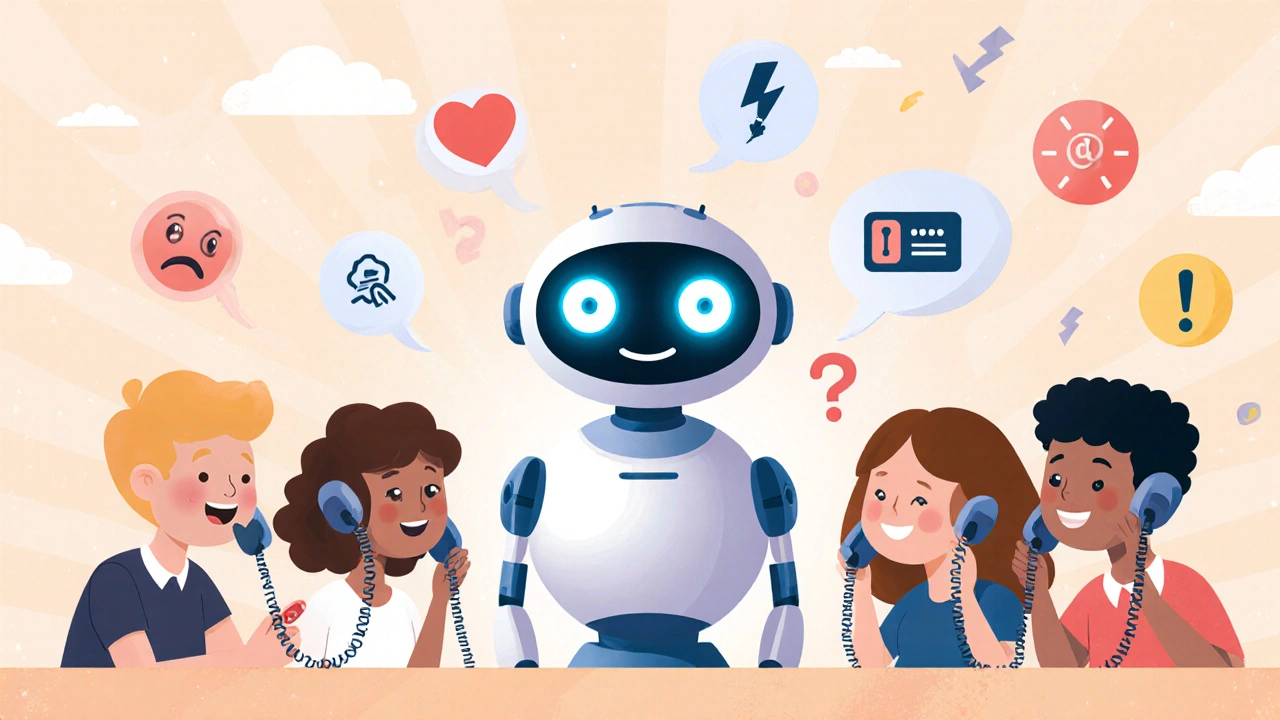
AI Voice Assistants: How They Power Modern VoIP Systems
When you hear AI voice assistants, software systems that understand and respond to human speech to automate tasks. Also known as voice-activated agents, they're no longer just for checking the weather—they're the backbone of modern customer service in VoIP systems. These assistants handle everything from answering simple questions to routing complex calls, all without a human on the line. Businesses using them cut wait times, reduce staffing costs, and improve customer satisfaction—no magic, just smart tech.
They work hand-in-hand with IVR systems, interactive voice response platforms that guide callers through menus using voice or keypad input. Older IVRs made you press 1 for sales, 2 for support—frustrating and rigid. Today’s AI-powered IVRs listen, understand intent, and respond naturally. If you say, "I need help with my bill," the system doesn’t guess—it pulls your account, checks recent charges, and offers options. That’s not just automation; it’s conversation.
Behind the scenes, voice recognition, the technology that converts spoken words into text for processing has gotten so good it can pick out accents, background noise, and even emotional tone. Companies like Five9 and Talkdesk use this to train assistants to recognize when a caller is upset and escalate them instantly. It’s not about replacing humans—it’s about making them more effective. A rep gets a pop-up with the caller’s history, the issue, and suggested responses before they even answer the call.
And it’s not just for big corporations. Small businesses using VoIP can now add AI assistants for under $50 a month. You don’t need a team of engineers—just a good provider and a clear script. Want to reduce call abandonment? Let the assistant offer a callback. Need faster sales conversions? Have it qualify leads before transferring to an agent. These aren’t futuristic ideas—they’re live features in systems you can deploy this week.
But it’s not all perfect. Bad training leads to misunderstandings. Poorly designed flows frustrate users. And if your system doesn’t handle privacy right—like recording calls without consent—you risk fines. That’s why knowing how these assistants connect to your VoIP setup matters. You need to understand codec compatibility, call tagging, and how data flows between your CRM and the assistant. The posts below show exactly how real businesses set this up, what went wrong, and how they fixed it.
You’ll find real examples: how one company cut handle time by 30% using guided scripts, how another avoided $10,000 in compliance fines by locking down call recording rules, and why some AI assistants fail because they ignore DSCP markings and get drowned out by data traffic. Whether you’re running a call center or just want your home office phone to work smarter, the answers are here—no theory, no fluff, just what works in 2025.