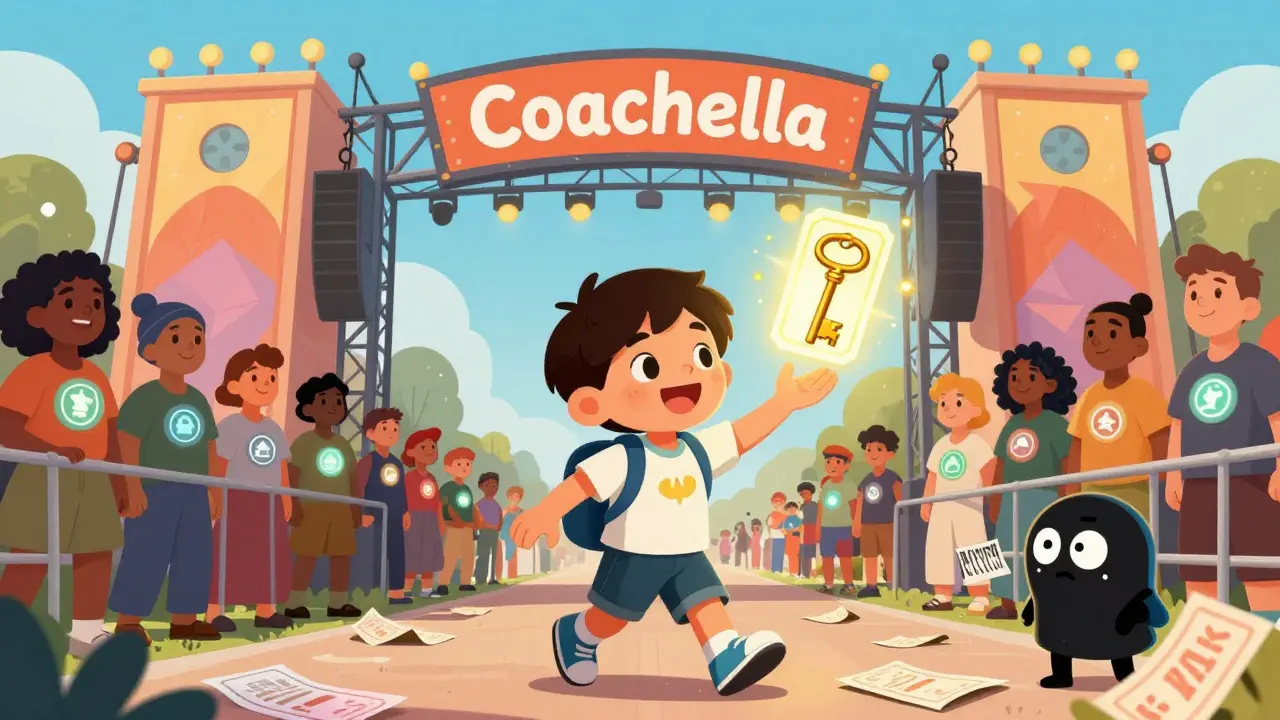
Forget the days of buying pixelated apes for thousands of dollars. By 2026, NFTs aren’t about flipping digital art-they’re about real function. The hype is gone. The noise has settled. And what’s left is something far more powerful: NFTs as the backbone of digital access, ownership, and loyalty in everyday life.
Why NFTs Stopped Being Just Collectibles
In 2021, NFTs were a frenzy. People paid millions for JPEGs. Then the market crashed. But instead of disappearing, NFTs evolved. The projects that survived didn’t rely on floor prices or Twitter hype. They solved real problems. Today, over 42% of wallets active in 2022 are still in use-not to trade, but to enter events, unlock memberships, or prove ownership of physical goods. The global NFT market is on track to hit $65.57 billion in 2026, not because of speculation, but because businesses are using NFTs to cut fraud, automate payments, and build deeper customer relationships.Ticketing: The End of Scalpers and Fake Entries
Event organizers used to lose millions every year to scalpers and counterfeit tickets. QR codes were easy to copy. Paper tickets were easy to forge. Now, major concerts, sports leagues, and festivals issue NFT tickets. These aren’t just digital PDFs-they’re verifiable, blockchain-backed proof of ownership. Take Coachella or UEFA Champions League finals. Attendees now receive an NFT ticket that’s tied to their wallet. No two are the same. No one can duplicate it. If you resell, the original organizer gets a royalty-often 5-10%-automatically. Fraud has dropped by up to 90% in events using this system. And it doesn’t stop at entry. After the event, your NFT ticket might unlock exclusive backstage videos, limited merch drops, or even a physical keepsake. It turns a one-time purchase into an ongoing relationship.Loyalty Programs That Actually Work
Starbucks didn’t just add a new app feature. They rebuilt loyalty from the ground up. Their Odyssey program, launched in 2022, gives members NFT "Journey Stamps" for purchases. Not points. Not badges. Real NFTs with scarcity, history, and transferability. Why does this matter? Because you can’t just delete a stamp. You can’t inflate its value by printing more. Each one tells a story: your 10th coffee this month, your first visit to a new city, your participation in a limited-time artist collaboration. These NFTs unlock real rewards: free drinks, early access to new blends, VIP events. Over 2 million members joined in under two years. And here’s the kicker-some users are now trading their stamps on secondary markets. Not because they’re gambling, but because the value is real: one stamp might get you a private tasting with a master roaster. Another might unlock a concert ticket. Nike’s .Swoosh platform works the same way. Buy a pair of sneakers? You get an NFT that gives you access to exclusive drops, customization tools, and member-only events. It’s not about owning a digital shoe. It’s about owning a membership to a community. By 2026, 70% of Fortune 500 companies are expected to use NFT-based loyalty. Traditional punch cards? Dead. NFT loyalty works because it’s transparent, tamper-proof, and gives customers something they can truly own-not just a number in a database.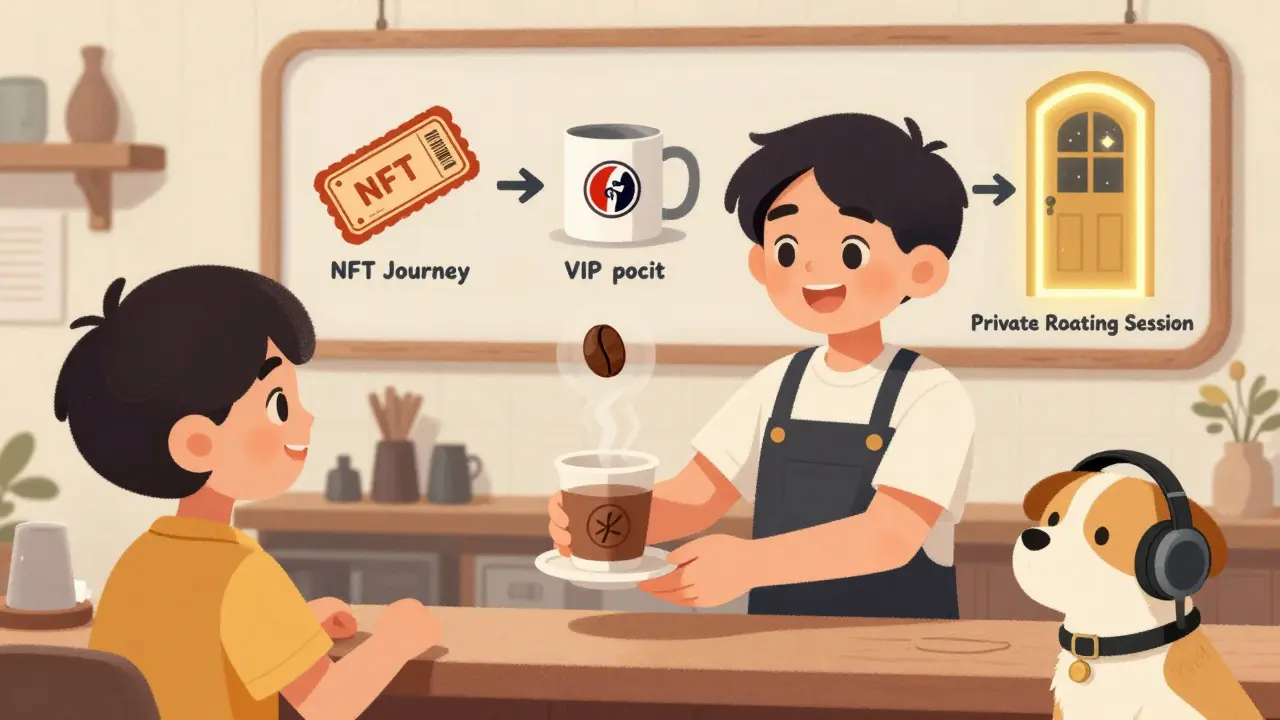
Access: Your Digital Key to Everything
NFTs are becoming your digital ID-not for logging in, but for entering. In gaming, players no longer just "own" items. They control them. A sword from a game in 2026 isn’t locked to one server. Thanks to cross-chain standards like ERC-721 extensions and interoperable wallets, you can take your weapon from a blockchain RPG to a metaverse arena, then sell it on a marketplace. Players are earning real income by playing-some top gamers now make over $100,000 a year from NFT assets alone. The gaming NFT market alone is projected to exceed $50 billion by the end of 2026. In music, artists are cutting out record labels. Warner Music Group started embedding royalty splits directly into NFTs in 2025. If you buy a song as an NFT, you’re not just buying a track-you’re buying a share of future streaming revenue. Every time that song plays on Spotify or Apple Music, your wallet gets paid automatically. No delays. No middlemen. Over 40% of music monetization is expected to shift to blockchain models by 2030. Even your home is becoming an NFT. Real estate platforms like Propy and Blackstone now tokenize property ownership. You can buy a 1% share of a luxury apartment in Berlin, a rental cabin in Colorado, or even virtual land in a metaverse city. These NFTs generate passive income-rental payments are automatically distributed to owners. Annual yields range from 8% to 12%. And because the ownership record is public and immutable, fraud is nearly impossible. The tokenized real estate market hit $78 billion in 2026.Provenance: Proving It’s Real
Counterfeiting costs the luxury industry over $300 billion a year. A fake Rolex, a forged bottle of Hennessy, a knockoff Gucci bag-it’s everywhere. Now, brands are attaching NFTs to every high-value product. Breitling launched NFT-backed authentication for its watches in 2025. Each timepiece comes with a unique NFT that logs its manufacturing date, materials, and every owner since it left the factory. If you buy a secondhand watch, you scan the NFT and see its full history. Buyers pay up to 30% more for NFT-verified items. The same is true for wine, art, and designer handbags. NFTs aren’t just proof of ownership-they’re proof of authenticity. Even patent offices are using them. Germany and Singapore now use NFTs to register inventions. The NFT holds the date of filing, the inventor’s identity, and any licensing history. It’s tamper-proof. It’s global. And it’s faster than paper.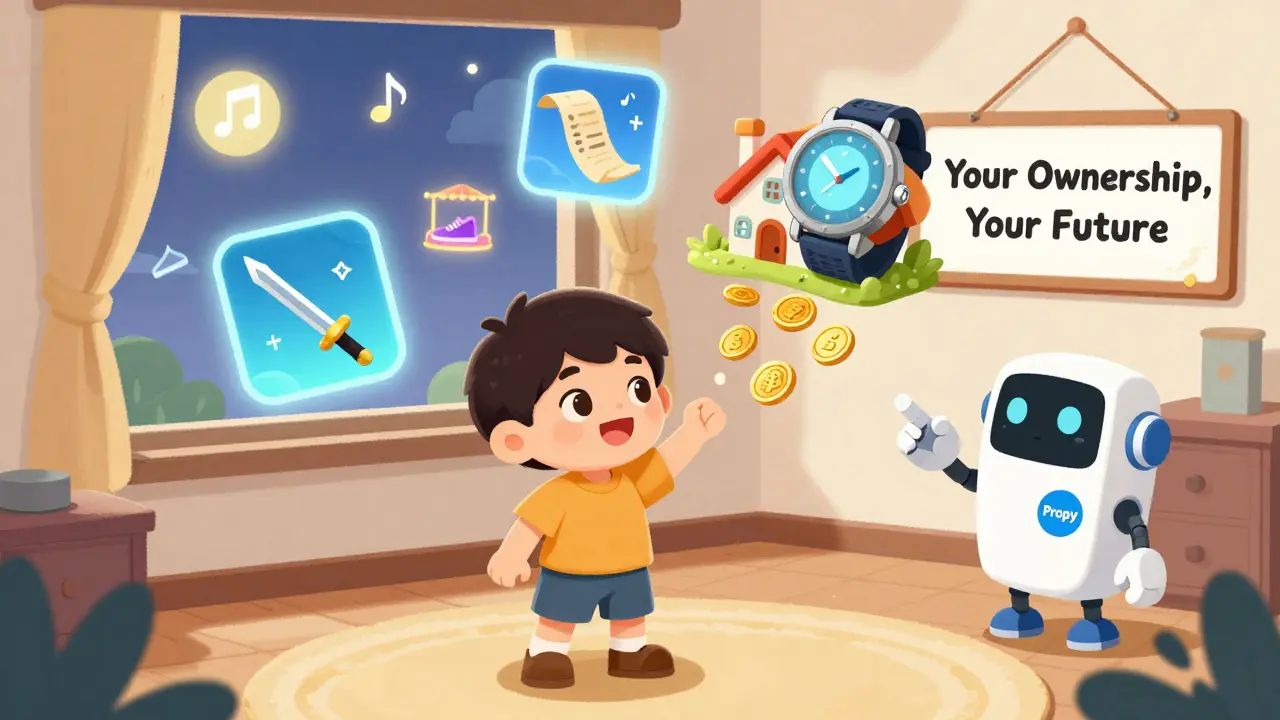
The Rise of Dynamic NFTs
Static NFTs are fading. The future belongs to dynamic NFTs-assets that change based on your behavior. Imagine an NFT that tracks your fitness progress. Every time you hit a workout goal, the NFT updates. After 50 workouts, it unlocks a free gym membership. After 100, you get a custom-designed wearable. That’s not science fiction. It’s happening now. Education platforms are using dynamic NFTs to issue verifiable certificates. Finish a coding course? Your NFT updates to show your skill level. Complete a certification? It adds a badge. Employers can verify it instantly-no third-party portal needed. AI powers these changes. Machine learning models analyze user data, adjust NFT traits, and trigger real-world rewards. Thirty percent of new NFT projects in 2026 include dynamic features. This isn’t just about collecting. It’s about growing.What’s Next? The Quiet Revolution
The NFT space isn’t booming because of viral tweets. It’s growing because it works. Enterprise adoption jumped 67% year-over-year since 2025. Twenty-three countries now issue government-backed NFT credentials-for voting, healthcare access, or student records. Marketplaces like Blur and Magic Eden handle billions in monthly volume-not from hype traders, but from people using NFTs to buy tickets, trade memberships, or collect royalties. The winners aren’t the flashiest projects. They’re the quiet ones: the ticketing system that cuts fraud, the loyalty program that keeps customers coming back, the music platform that pays artists fairly. These aren’t gimmicks. They’re infrastructure. If you’re still thinking of NFTs as digital trading cards, you’re already behind. In 2026, NFTs are the keys to your access, your loyalty, your ownership. And they’re not going away-they’re just getting more useful.Are NFTs still a good investment in 2026?
NFTs as speculative assets are largely dead. But NFTs as functional tools are highly valuable. If you’re buying an NFT for its resale potential, you’re likely to lose money. But if you’re buying one to access an event, earn loyalty rewards, or own a share of real estate, it’s a smart, tangible investment. The value now comes from utility, not hype.
Can I use NFTs for everyday things like concert tickets or coffee rewards?
Yes, and you already are. Major events like Coachella and UFC use NFT tickets. Starbucks, Nike, and Delta have NFT loyalty programs. You don’t need to understand blockchain to use them-just download the app, link your wallet, and start earning. The technology works behind the scenes.
Do I need a crypto wallet to use NFTs?
Not always. Many brands now offer "wrapped" wallets inside their apps-you don’t need to manage private keys. But if you want full control, transfer your NFTs, or trade them, you’ll need a self-custody wallet like MetaMask or Phantom. Most platforms make it easy to create one in under a minute.
Why are big companies like Blackstone and Warner Music using NFTs?
Because NFTs solve real business problems. Blackstone uses them to fractionalize real estate so global investors can buy shares with as little as $100. Warner Music uses them to automate royalty payments so artists get paid instantly, without delays or middlemen. These aren’t marketing stunts-they’re operational upgrades that save money and build trust.
Are NFTs environmentally friendly now?
Most NFTs today run on proof-of-stake blockchains like Solana, Polygon, and Ethereum after its 2022 upgrade. These use 99.95% less energy than Bitcoin mining. A single NFT transaction now uses less power than sending an email. Environmental concerns are no longer a valid reason to avoid NFTs.
What’s the biggest mistake people make with NFTs today?
Treating them like stocks. If you’re buying an NFT hoping it’ll double in price next week, you’re setting yourself up for disappointment. The most successful NFTs are the ones you use-not the ones you watch. Focus on access, rewards, and real-world value. The price will follow if the utility is strong.