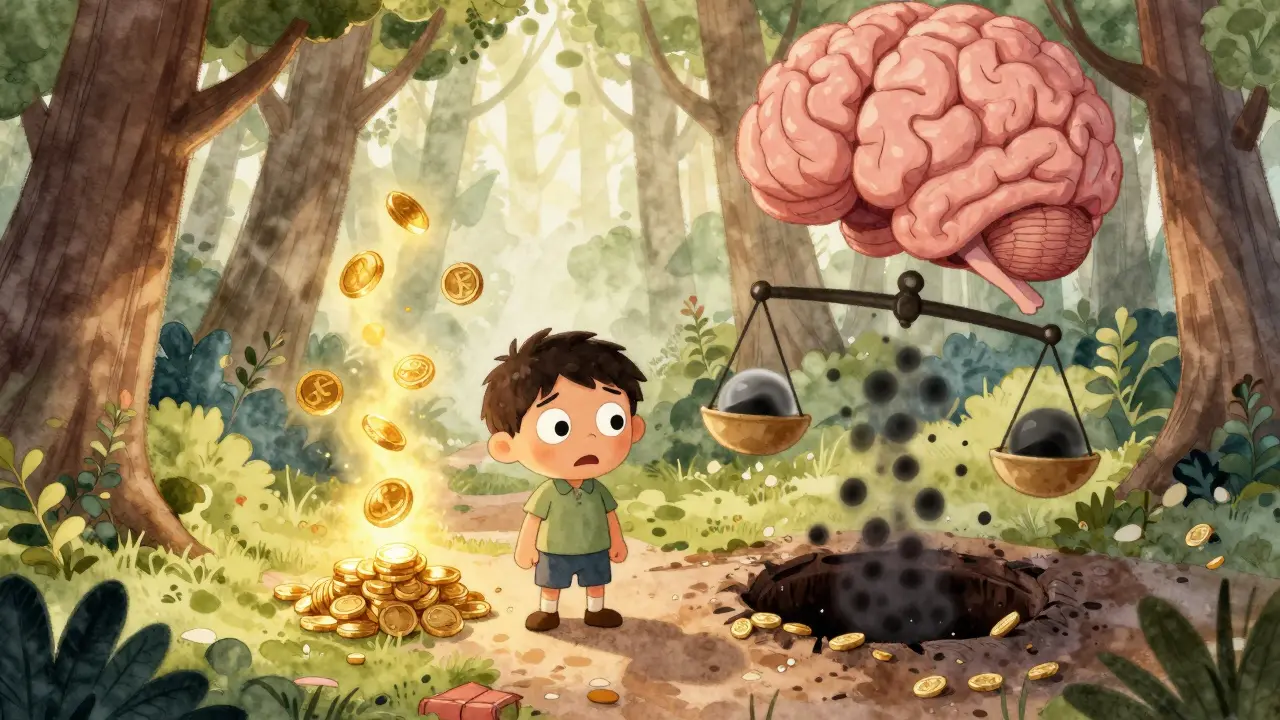
Think about the last time you lost £50 on a trade. How did it feel? Now think about the last time you made £50. Was the joy as sharp? If not, you’re not broken-you’re human. This isn’t just about money. It’s about something deeper in our brains: loss aversion. It’s the reason traders hold onto losing positions too long, sell winners too early, and avoid good opportunities just because they feel risky. And it’s one of the most powerful forces shaping how people trade-even when they know better.
What Loss Aversion Really Means
Loss aversion isn’t just being careful with money. It’s a hardwired bias where the pain of losing feels about twice as strong as the pleasure of gaining the same amount. This idea came from psychologists Daniel Kahneman and Amos Tversky in the late 1970s. They called it Prospect Theory, and it shattered the old belief that people make financial decisions rationally. Turns out, we don’t. We feel losses harder.
Here’s a simple test: Imagine you’re given £100. You can either:
- Keep it and do nothing
- Flip a coin: heads, you gain £50; tails, you lose £50
Most people say no to the coin flip. Even though the expected value is zero (no gain, no loss), the fear of losing £50 outweighs the excitement of gaining it. That’s loss aversion in action. It doesn’t matter if you’re trading stocks, crypto, or forex. Your brain treats a £200 loss like it’s £400 in pain.
Why Your Brain Is Wired This Way
Evolution didn’t care about portfolio returns. It cared about survival. Back when humans were hunter-gatherers, losing a day’s food could mean starvation. Gaining extra food? Nice, but not life-changing-you could only eat so much. So natural selection favored those who reacted more strongly to threats than to opportunities. Losing was dangerous. Gaining was optional.
This bias stuck. Today, your amygdala-the part of the brain that handles fear-lights up more when you lose money than when you gain it. Studies using fMRI scans show increased activity in the striatum and midfrontal cortex during losses, even when the amounts are small. Your pupils dilate more. Your heart rate spikes higher. Your body reacts like you’re running from a predator.
And it’s not just emotional. Loss aversion is measurable in your nervous system. People show stronger autonomic responses to losses than gains-even when they’re not making a choice. It’s not about being emotional. It’s about biology.
How Loss Aversion Ruins Trading Decisions
In trading, loss aversion doesn’t just make you feel bad-it makes you make bad calls. Here’s how:
- Holding losers too long: You buy a stock at £100. It drops to £85. Instead of cutting your loss, you wait. "It’ll come back," you tell yourself. But the pain of admitting you were wrong is worse than the pain of the loss itself. So you double down. And lose more.
- Selling winners too soon: Your stock goes up to £120. You panic. "What if it drops?" You sell. You lock in a £20 profit, but the stock keeps rising to £150. You avoided the loss-but you also avoided the bigger gain.
- Avoiding good trades: You see a setup with 60% win probability and 2:1 reward-to-risk. But the thought of losing £100 makes you hesitate. You miss it. Meanwhile, traders who aren’t as loss-averse are building positions.
This is called myopic loss aversion. It’s when traders focus too much on short-term losses, even if their strategy is profitable over time. They check their portfolio every hour. Every dip feels like a disaster. They end up trading less, missing trends, and underperforming.
The Framing Trap
Loss aversion gets even trickier because of how we frame things. The same outcome can feel completely different depending on how it’s described.
Imagine two options:
- Option A: You have a 70% chance to gain £100
- Option B: You have a 30% chance to lose £100
Logically, they’re the same. Both have an expected value of £70. But most people pick Option A. Why? Because Option B sounds like a threat. It’s framed as a loss. And losses scare us more than gains excite us.
This is why marketing uses phrases like "Don’t miss out" or "You’ll lose this offer" instead of "You can gain something." Traders fall for the same trick. A broker says, "This trade could save you from a bigger loss," and suddenly it feels safer-even if the risk is identical.
Loss Aversion and Mental Health
It’s not just about trading. Loss aversion links to anxiety, depression, and even suicidal ideation. Studies show people with high anxiety have stronger loss aversion. They see threats everywhere. Future losses feel inevitable. That’s why some traders freeze up-not because they lack skill, but because their brain is stuck in survival mode.
There’s also the "hot stove effect." If you got burned once by a bad trade, you avoid anything that feels even remotely risky-even if it’s a solid setup. You don’t just fear loss. You fear the memory of loss.
And it gets worse. People who’ve attempted suicide show higher sensitivity to loss. For them, avoiding future pain becomes more important than gaining anything. That’s not irrational-it’s a warped survival mechanism. Trading isn’t therapy. But if you’re using it to escape emotional pain, loss aversion will turn it into a trap.
How to Fight It
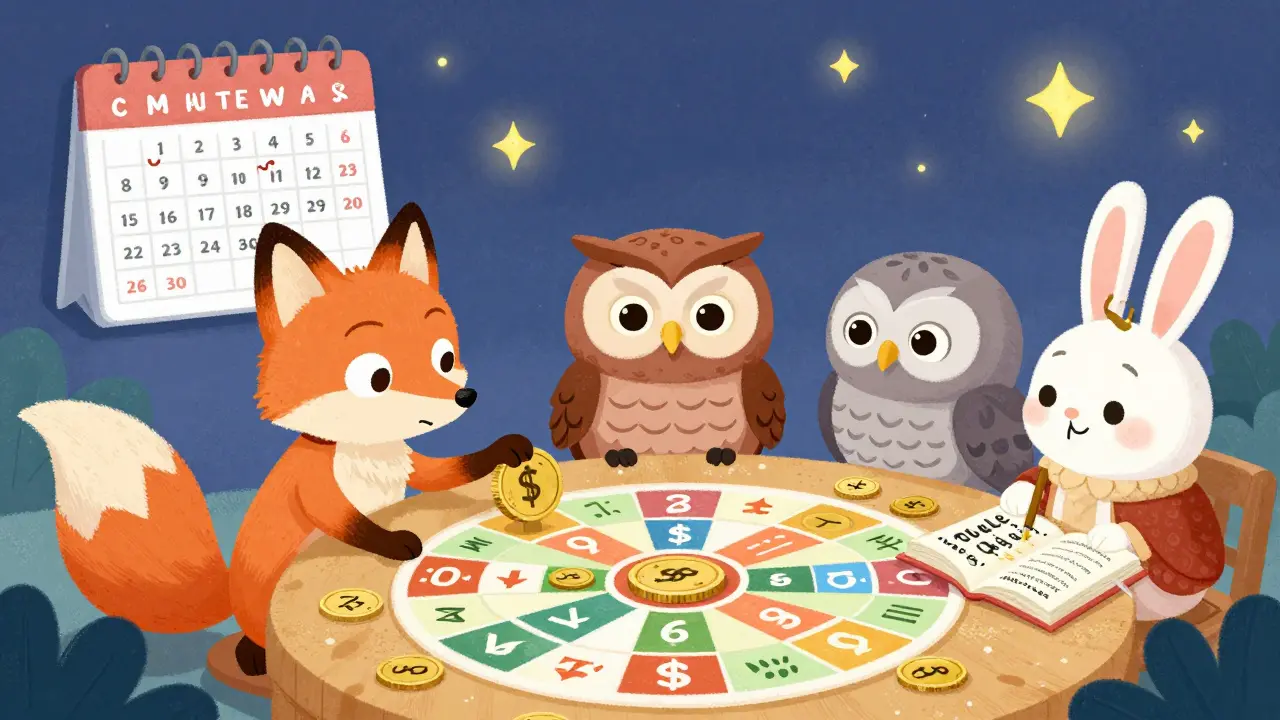
You can’t erase loss aversion. It’s built into you. But you can outsmart it.
- Set rules before you trade: Decide your entry, exit, and stop-loss before opening a position. Write it down. Stick to it. No exceptions.
- Review trades weekly, not daily: Check your portfolio once a week. Daily checks turn every tiny dip into a crisis. Weekly reviews show the real trend.
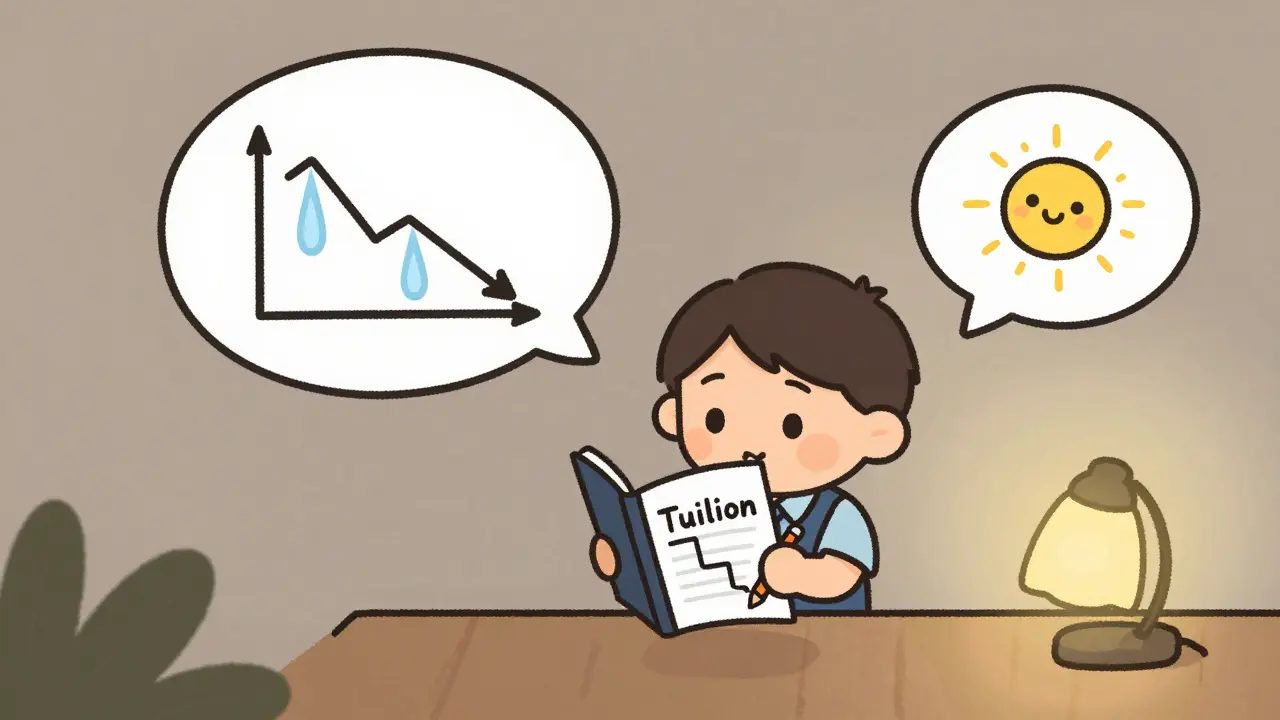
- Reframe losses as tuition: Every loss is a lesson. Not a failure. Think of it like paying for a course. You’re not broke-you’re educated.
- Use a trading journal: Write down why you made each trade. Afterward, note how you felt. Over time, you’ll see patterns. You’ll notice when fear, not logic, drove your decisions.
- Limit your screen time: The more you watch, the more you feel. Reduce your chart checks. Turn off price alerts. Distance creates clarity.
One trader I know started trading with £5,000. After three months of emotional losses, he had £2,800 left. He stopped trading for six weeks. He read books. He journaled. He set rules. He came back. Now, he’s up 42% in 12 months. Not because he’s smarter. Because he stopped letting his brain decide for him.
Loss Aversion Isn’t Weakness-It’s a Signal
Feeling the sting of a loss doesn’t mean you’re bad at trading. It means you’re alive. The trick isn’t to stop feeling it. It’s to stop letting it control you.
Loss aversion is why most traders fail. Not because they don’t know the markets. But because they can’t manage their minds. The best traders aren’t the ones who never lose. They’re the ones who lose-and keep going anyway.
Is loss aversion the same as risk aversion?
No. Risk aversion is about preferring certainty over uncertainty, even if the expected value is lower. Loss aversion is about the emotional weight of losing versus gaining. You can be risk-seeking and still loss-averse. For example, someone might take a risky trade to recover a loss, not because they want to win, but because they can’t stand the pain of being down.
Can professional traders overcome loss aversion?
Some can, but not by ignoring it. They build systems that remove emotion. They use automated stop-losses, position sizing rules, and strict trade plans. Experience helps-they’ve lost before and survived. But even seasoned traders feel the sting. The difference? They don’t act on it.
Does loss aversion affect all types of trading?
Yes. Whether you’re day trading, swing trading, or investing long-term, loss aversion plays a role. Day traders feel it more intensely because they see more frequent losses. Long-term investors feel it when markets dip and they panic-sell. It’s universal.
How does loss aversion relate to the endowment effect?
The endowment effect is when you value something more just because you own it. Loss aversion explains why: you fear losing what you have more than you value gaining something new. So you hold onto a losing stock because it’s "yours," even if selling it makes sense.
Can loss aversion ever be useful?
In moderation, yes. It keeps you from gambling recklessly. It stops you from over-leveraging. It makes you think twice before taking huge risks. The problem isn’t loss aversion itself-it’s when it becomes the only driver of your decisions.