Most people think NFTs are just JPEGs you buy and hope to flip. But that’s not how the best ones work anymore. The real money isn’t in guessing which pixel art will go viral-it’s in owning something that gives you real access, influence, and ongoing benefits. If you’re holding an NFT that doesn’t do anything beyond sitting in your wallet, you’re playing a game most people have already stopped playing.
Utility Is the New Scarcity
In 2021, people paid millions for a pixelated ape because there were only 10,000. Today, that’s not enough. Scarcity alone doesn’t hold value. Utility does. The most valuable NFTs now aren’t just collectibles-they’re keys. Keys to events, to software, to revenue shares, to exclusive communities. Take Bored Ape Yacht Club. Owning one isn’t just about having a cool monkey picture. It gives you commercial rights to use that image-meaning you can sell merch, make a movie, or launch a brand. That’s not a perk. That’s a business license. And it’s why floor prices for BAYC stayed above $100,000 even when the broader NFT market crashed. Newer projects are taking this further. VeeFriends doesn’t just sell art-it sells tickets to Gary Vaynerchuk’s annual conference, access to his mentorship network, and educational content that helps holders build real skills. One holder on Reddit said they made 14 times their initial investment-not by selling the NFT, but by landing three clients through connections made at VeeCon. Even gaming NFTs like Axie Infinity shifted from pure play-to-earn to layered utility. Players don’t just earn tokens-they can vote on game updates, stake their NFTs for passive income, and even earn royalties from secondary sales. That’s not speculation. That’s ownership.What Makes a Good Roadmap?
A roadmap isn’t a marketing flyer. It’s a promise. And most NFT projects fail because they make promises they can’t keep. According to Calibraint’s 2025 audit of 300 NFT projects, 61% missed at least half their roadmap milestones. Gaming projects were the worst-74% of delays came from overpromising on technical features like metaverse integration or cross-platform compatibility. The projects that succeed? They build in phases. They don’t say, “We’ll launch a full metaverse in six months.” They say, “In three months, you’ll get access to a beta virtual lounge. In six months, you can host private events there. In one year, you’ll be able to earn rewards by hosting them.” Real roadmaps have:- Clear timelines with specific deliverables
- Realistic technical scope
- Public progress tracking
- Community feedback loops
Governance: When You Own, You Decide
If you don’t have a say in where your asset is headed, you don’t really own it. That’s why governance is now the #1 factor institutional investors look at before buying. ApeCoin DAO runs on a simple but powerful model: if you hold ApeCoin (the token tied to BAYC), you can vote on proposals. Proposals range from funding new metaverse land development to deciding which charities get donations. In 2025, voter turnout averaged 34% across 12 proposals-far higher than most crypto DAOs. Even better, some projects are moving beyond one-token-one-vote. Friends With Benefits DAO introduced a reputation system. The more you contribute-whether by designing graphics, moderating Discord, or organizing meetups-the more voting power you earn. That’s not democracy. That’s meritocracy. And it’s working. Participation jumped 45% after the change. Projects without governance? They die quietly. MetaverseMall, which promised a virtual shopping mall where NFT holders could open stores, delivered only 17% of its features. Within months, its value dropped 99.8%. No one cared because no one had a voice in fixing it.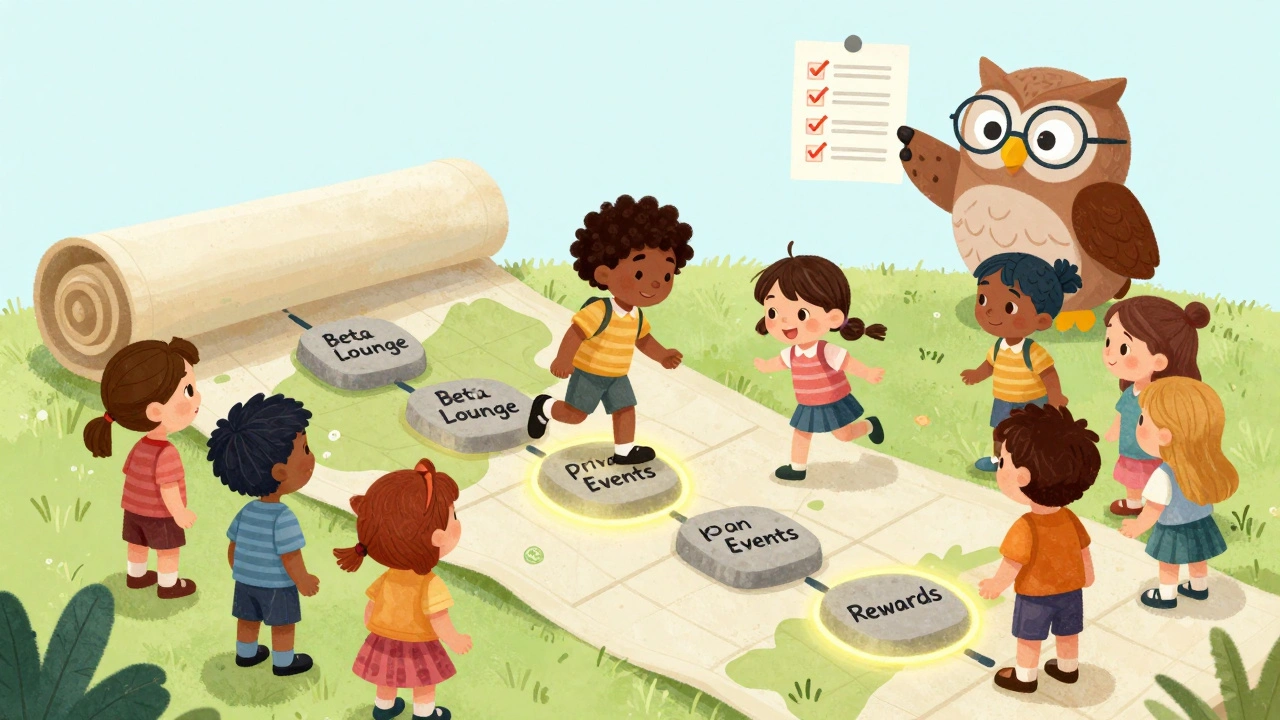
What’s Not Working Anymore
Not all utility is good utility. Some projects overload their NFTs with so many perks that nothing feels special anymore. Imagine an NFT that gives you: a Discord role, a free coffee coupon, a 10% discount on merch, access to a Zoom call, and a chance to win a trip to Bali. That’s not a community. That’s a spam email. The best projects focus on depth, not breadth. RTFKT, Nike’s digital sneaker brand, doesn’t give you 20 benefits. They give you one: the ability to try on virtual sneakers in augmented reality before buying the real ones. That feature alone increased holder retention by 83%. Also, avoid projects that tie utility to volatile tokens. If your NFT’s value depends on the price of a token that swings 50% in a day, you’re not building long-term value-you’re gambling.Real-World Integration Is the Future
The biggest shift in 2025? NFTs are no longer just digital. They’re bridging into physical life. Nike’s .SWOOSH platform lets you buy a digital sneaker NFT and redeem it for the real pair. But it doesn’t stop there. Holders get early access to limited drops, exclusive design input, and even physical meetups at Nike stores. Holder retention is 190% higher than for standalone NFTs. Other brands are following: Adidas partnered with Bored Ape holders for real-world merch drops, and LVMH is testing NFT-based authenticity certificates for luxury handbags that unlock digital content and resale rights. This isn’t gimmickry. It’s about creating ecosystems where digital ownership enhances real-world experiences. That’s the kind of value that lasts.
How to Spot a Sustainable NFT Project
Not every NFT with a roadmap is worth your money. Here’s how to tell the difference:- Check the utility-Does it give you something you actually use? Or is it just “exclusive access” to a Discord server?
- Review the roadmap-Has the team delivered on past promises? Look at their GitHub, Twitter, or Discord changelogs.
- Look at governance-Is there a DAO? How many people vote? Are decisions transparent?
- Watch the team-Are they building in public? Do they respond to feedback? Or do they ghost the community after launch?
- Check the numbers-Projects with over 62% holder retention after 6 months are far more likely to succeed (Plan Writers, 2025).
What You Should Do Now
If you’re holding NFTs that don’t do anything:- Don’t panic-sell. Wait and see if the project adds utility.
- Join their Discord. Ask questions. See how the team responds.
- Track their roadmap. Did they miss a deadline? Did they explain why?
- If nothing changes after 90 days, consider cutting your losses.
- Ask: “What can I do with this that I can’t do without it?”
- Look for projects with real-world ties-events, physical products, services.
- Prefer governance over hype. A project where you can vote is more likely to survive than one that just runs ads.
Can NFTs still make money in 2025?
Yes-but only if they offer real utility. The NFT market in 2025 is worth $14.7 billion, but over 70% of that value comes from projects with functional benefits like access, revenue sharing, or governance rights. Pure art NFTs now make up less than 22% of total market value. The money is in projects that solve problems, not just look pretty.
What’s the difference between a utility NFT and a speculative NFT?
A speculative NFT relies on price appreciation alone. You buy it hoping someone else will pay more later. A utility NFT gives you ongoing value: discounts, access, voting rights, or earnings. Utility NFTs have 62% higher holder retention and 37% lower volatility during market crashes, according to CoinGecko’s 2025 index.
How do I know if a roadmap is realistic?
Look for specificity. A good roadmap says, “Q3 2025: Launch token-gated music streaming,” not “We’ll build a metaverse.” Check past deliverables-did they hit previous deadlines? Also, see if they’ve shared technical updates on GitHub or developer blogs. If the team is silent after launch, the roadmap is probably fake.
Are NFT governance systems actually effective?
Yes, when they’re designed well. ApeCoin DAO has seen 34% average voter turnout on proposals in 2025-higher than most crypto projects. Friends With Benefits DAO increased participation by 45% after introducing reputation-based voting. But governance fails when only a few whales control votes, or when proposals are ignored. Look for transparency, active participation, and clear outcomes.
Should I invest in NFTs with token rewards?
Only if the token is secondary to the NFT’s core utility. If your NFT’s value depends on a volatile token that can crash, you’re not owning an asset-you’re speculating. Better to choose NFTs with direct benefits like event access, IP rights, or physical redemption. Token rewards are a bonus, not the main reason to buy.
What’s the biggest mistake NFT creators make?
Overpromising. Projects that promise metaverses, games, and real-world events all at once rarely deliver. The most successful creators focus on one strong utility first-like exclusive access or commercial rights-and expand later. MediaX Agency found that projects allocating 40%+ of resources to utility infrastructure had 63% higher conversion rates than those focused on marketing.