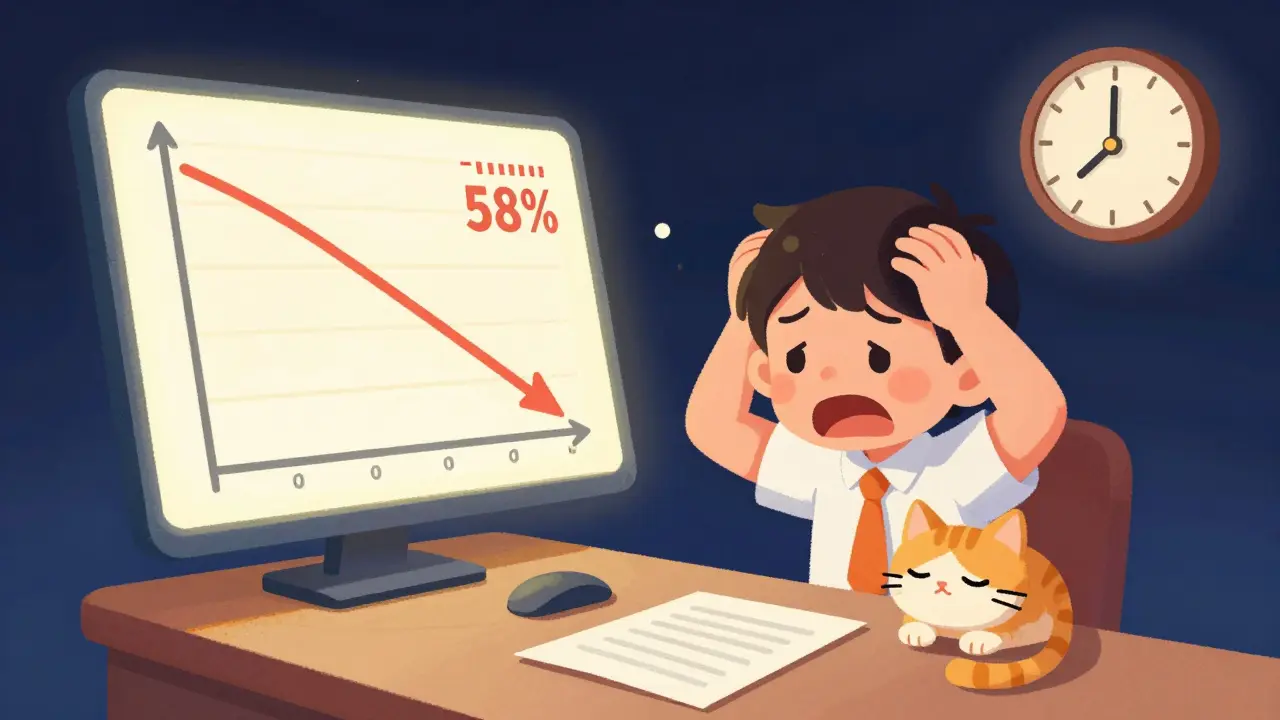
Most traders lose money not because they picked the wrong stocks or missed the perfect entry point. They lose because they didn’t know how much risk they could actually handle-emotionally, mentally, and financially. You might think you’re comfortable with volatility until your portfolio drops 20% in a week and you panic-sell. That’s not a market problem. That’s a risk tolerance problem.
What Risk Tolerance Really Means
Risk tolerance isn’t about how bold you feel on a good day. It’s about how you react when things go wrong. The U.S. Securities and Exchange Commission defines it simply: your ability and willingness to lose some or all of an investment in exchange for the chance of higher returns. But there are two sides to this coin.The first is ability: Can you afford to lose? If you’re 25, have a steady job, no debt, and money set aside for emergencies, you can take bigger swings. If you’re 62, planning to retire in two years, and your entire savings are in the market, you can’t afford the same level of risk-even if you feel tough.
The second is willingness: Do you sleep well at night? Some people can watch their portfolio drop 30% and stay calm. Others feel sick to their stomach at a 5% dip. Neither is right or wrong. But ignoring this reality leads to bad decisions-like selling low after a crash, then buying back high when things recover.
The Three Levels Everyone Talks About
Most tools break risk tolerance into three buckets: conservative, moderate, and aggressive. But these labels mean nothing unless you connect them to real numbers.- Conservative: You’re okay with 1-3% annual returns. You might own mostly bonds, cash, or dividend stocks. You’d rather sleep than chase gains. This isn’t boring-it’s strategic. If you’re close to retirement or need money in the next 3 years, this is your zone.
- Moderate: You’re aiming for 5-7% yearly growth. You’re okay with 15-20% swings in your portfolio. You own a mix of stocks and bonds. This is the sweet spot for most working adults with 10+ years until retirement.
- Aggressive: You’re chasing 10%+ returns. You can handle 30%+ drops without selling. You’re all-in on stocks, ETFs, maybe even crypto or options. If you’re under 40, have no dependents, and can live on your salary even if your investments tank, this might fit you.
But here’s the catch: 60% of people who take a risk assessment find out their actual tolerance doesn’t match their goals. You might want to retire at 55 with £1 million-but your risk score says you can only realistically reach £650k without panicking. That’s not a failure. That’s clarity.
What Actually Shapes Your Risk Tolerance
Your risk profile isn’t random. It’s shaped by five real factors:- Age and time horizon: The younger you are, the more time you have to recover from losses. Someone in their 20s can afford to ride out a bear market. Someone in their 50s can’t.
- Income and savings: If you have six months of living expenses saved, you’re in a better position to risk money than someone living paycheck to paycheck.
- Experience: If you’ve been through a market crash before and didn’t sell, you’re more likely to handle the next one. Experience builds emotional muscle.
- Personality: Are you the type who checks your portfolio 10 times a day? Do you get anxious reading financial news? That’s not a flaw-it’s data. High stress = lower risk tolerance.
- Life events: A divorce, a new baby, a job loss, or a family illness can change everything. Your risk tolerance isn’t fixed. It shifts with your life.
One trader I know doubled down on tech stocks after the 2020 boom. He thought he was aggressive. Then, in early 2022, his portfolio dropped 42%. He sold everything by March. He wasn’t weak. He just never tested his true tolerance. He didn’t know how he’d react until it happened.

How to Test Your Real Risk Tolerance
Online questionnaires are a start, but they’re not enough. Here’s how to get real answers:- Take a formal assessment. Use tools like the Next Gen Risk Assessment, which gives you a "Risk Number®" from 1 to 99. It’s based on Nobel Prize-winning behavioral science. Don’t pick "aggressive" because it sounds cool. Let the test tell you.
- Do a mental simulation. Imagine your portfolio drops 25% in a month. What do you do? Do you rebalance? Do you add more? Or do you pull out? Write down your reaction. Then wait three months. Check if you did what you said you’d do.
- Look at your past trades. When was the last time you lost money? What did you do? Did you double down? Did you quit? Your history is the best predictor of your future behavior.
- Try a small test trade. Put 5% of your portfolio into something volatile-say, a leveraged ETF or a single tech stock. See how you feel when it moves. If you can’t sleep, you’re overextending.
Most people skip step two and three. They think they know themselves. They don’t.
Why Your Risk Tolerance Changes-And Why That’s Okay
Your risk tolerance isn’t a one-time quiz you take at 25 and forget. It evolves. A market crash can make you more cautious. A promotion or inheritance can make you bolder. A health scare can reset everything.That’s why you need to review your risk profile every 12-18 months. Or after any major life event. Don’t wait until you’re panicking. Review it when you’re calm.
One study from FinMetrica found that people who reviewed their risk tolerance annually were 3x more likely to stick to their long-term plan during downturns. They didn’t sell. They didn’t freeze. They adjusted. That’s the difference between surviving and thriving.
What Happens When You Ignore It
Ignoring your true risk tolerance is like driving a sports car with bald tires. You might feel fast, but you’re one turn away from disaster.People who mismatch their portfolio to their tolerance:
- Sell at market lows because they can’t handle the stress
- Over-leverage to chase returns, then get wiped out
- Stick to boring, low-return investments and miss out on growth
- Feel constant anxiety about money, even when they’re financially okay
Worse, they blame the market. "The system is rigged." "Stocks always crash." But the problem isn’t the market. It’s the mismatch between what they thought they could handle and what they actually could.
How to Align Your Portfolio With Your True Risk Level
Once you know your number, build your portfolio around it. Here’s how:- Conservative: 70% bonds, 20% dividend stocks, 10% cash. Target return: 2-4%
- Moderate: 50% stocks, 40% bonds, 10% cash or alternatives. Target return: 5-7%
- Aggressive: 80% stocks, 15% alternatives (crypto, REITs), 5% cash. Target return: 8-12%
Don’t chase trends. Don’t copy your friend’s portfolio. Your risk profile is yours alone. If you’re a moderate investor, owning 80% crypto isn’t brave-it’s reckless.
Also, diversify within your category. Even aggressive investors shouldn’t have all their money in one stock. Spread it. Use ETFs. Keep your exposure balanced.
Final Rule: Risk Tolerance Is Not a Number. It’s a Habit.
You don’t "have" a risk tolerance. You live it. Every time you check your portfolio. Every time you hear bad news. Every time you think about selling. That’s where your true tolerance shows up.Build systems that protect you from yourself. Set automatic rebalancing. Use stop-loss orders. Don’t trade when you’re emotional. Keep a journal of your decisions. Review them quarterly.
The goal isn’t to make the most money. The goal is to make money without losing your mind. And that starts with knowing exactly how much risk you can handle-not how much you think you should handle.
Can my risk tolerance change over time?
Yes, absolutely. Your risk tolerance shifts with your age, income, debts, family responsibilities, and even market experiences. A young investor with no kids might be aggressive. After a divorce or a child’s birth, that same person may become conservative. Life events matter more than personality tests.
Is a higher risk tolerance always better?
No. Higher risk doesn’t mean better returns-it means higher chance of loss. Many people assume aggressive investing leads to more wealth, but most don’t stick with it through downturns. The real advantage comes from matching your portfolio to your true tolerance. That way, you stay invested long enough to benefit from compound growth.
Should I take a risk assessment before I start trading?
Yes, and before every major change in your life. Taking a test before you invest stops you from making emotional decisions later. It’s like getting a medical checkup before starting a new workout plan. You don’t want to hurt yourself because you didn’t know your limits.
Can I improve my risk tolerance?
You can’t change your natural reaction to loss-that’s psychology. But you can build habits that help you act rationally. Use automation, limit how often you check your portfolio, and educate yourself on market cycles. Experience, not willpower, builds true tolerance.
What if my risk tolerance doesn’t match my financial goals?
That’s common. If you want to retire at 55 with £1 million but your risk score says you can only reach £700k without panic, you have two choices: adjust your goal or increase your savings rate. Most people choose to save more. It’s slower, but it’s realistic. Pushing for unrealistic returns just leads to failure.