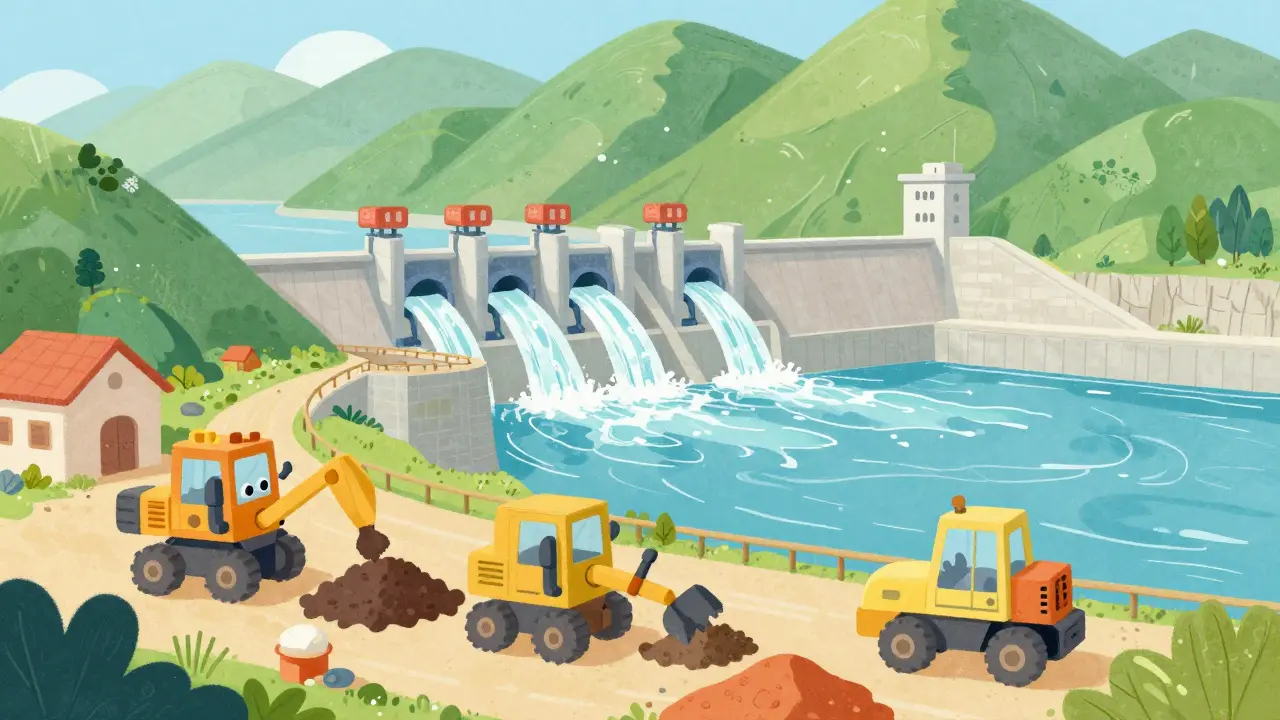
Imagine running a massive industrial operation where your most critical resource is something you can't control. That is the reality for mining companies relying on Hydropower is a renewable energy source generated by the movement of water through turbines. When the rivers run dry or flood unexpectedly, the lights might go out, or the water needed to process ore becomes scarce. This isn't just a theoretical problem; it is a daily operational challenge that dictates profitability and safety.
Water is the lifeblood of mining. It is used for dust suppression, ore processing, and cooling equipment. In many remote locations, Mining Operations is the extraction of valuable minerals or other geological materials from the earth. depend entirely on local water cycles. When you add seasonal variability into the mix, you get a complex equation where supply and demand rarely align perfectly. This article breaks down how seasonal shifts impact water availability for power generation and how mines adapt to keep running.
The Seasonal Water Cycle in Mining Regions
Most mining districts do not enjoy consistent rainfall year-round. Many operate in continental monsoon climates where the weather swings dramatically between wet and dry seasons. In regions like the Pingshuo mining district, the annual precipitation might average around 367 mm, but more than 70% of that rain falls in just three months: June, July, and August. This concentration creates a specific rhythm for operations.
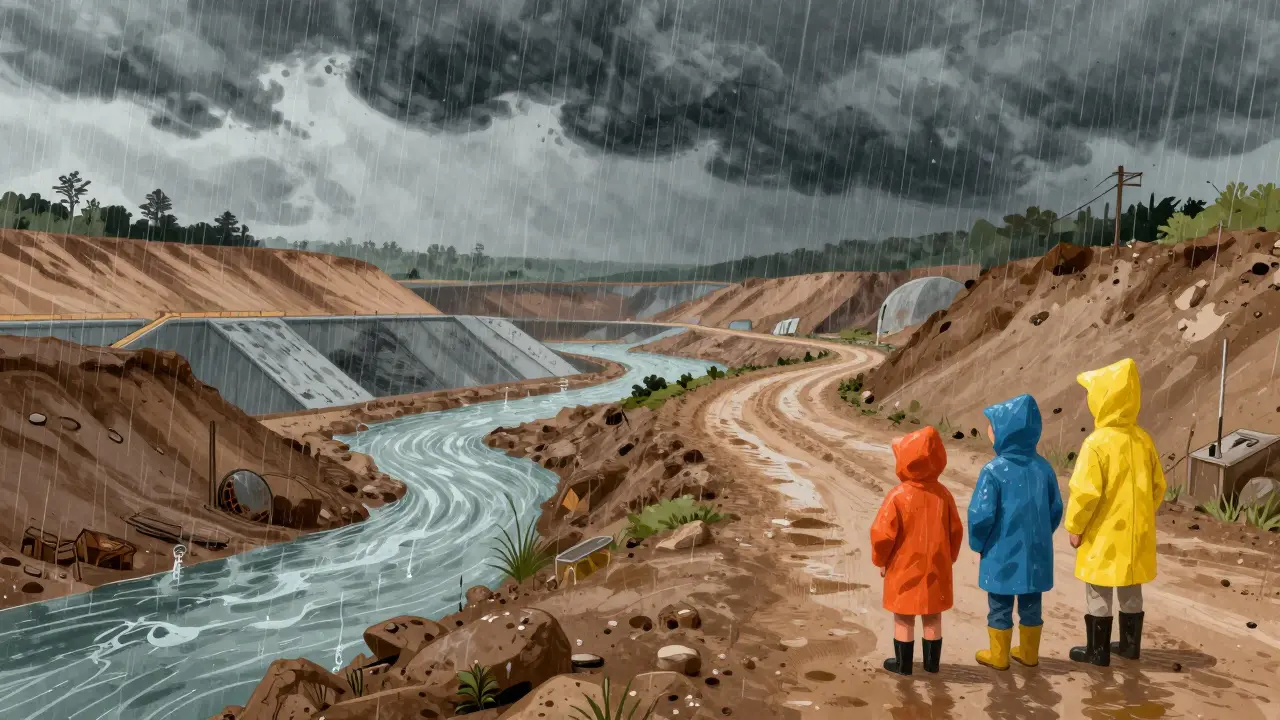
During the wet season, water is abundant. Reservoirs fill up, and Hydropower generation capacity peaks. However, too much water brings its own set of headaches. Flooding can wash out access roads, damage drainage systems, and destabilize the slopes of open-pit mines. The infrastructure built to handle normal flows often struggles against the peak flows of a storm event. Erosion increases, and sediment transport can clog waterways, reducing the efficiency of water intake systems for both power plants and mine processing facilities.
Conversely, the dry season presents a different threat. With precipitation dropping to near zero in months like July in some arid study areas, water levels in rivers and reservoirs plummet. This reduction directly impacts the ability to generate electricity. If a mine relies on a local hydro plant for its power grid, a drop in water levels means less power. Mines might face curtailment, forcing them to reduce production or switch to more expensive backup generators. The variability in water flows affects dewatering, pit stability, and processing performance, creating a multilayered risk scenario.
Hydropower Dependency and Grid Stability
Many mines are located in remote areas where connecting to a national grid is impractical or prohibitively expensive. In these scenarios, they often build their own power infrastructure, frequently relying on Hydropower because it provides a clean, consistent energy source. However, this dependency creates a vulnerability. When the water levels drop, the grid becomes unstable. This is not just about having enough electricity; it is about the quality of that electricity.
Fluctuating power supplies can damage sensitive processing machinery. Crushers, grinders, and flotation cells require steady voltage and frequency. If the hydro plant cannot maintain output due to low water, the voltage drops. This can lead to equipment failure, increased maintenance costs, and unplanned downtime. Some mines mitigate this by installing diesel generators as backup, but fuel costs are high and logistics for fuel delivery can be disrupted by the same weather conditions that caused the power shortage in the first place.
There is also the issue of water allocation. During a drought, the local community and agricultural sectors may demand priority access to water. Mining operations might be forced to reduce their water intake to comply with environmental regulations or social pressure. This reduction affects not just power generation but the actual processing of ore. If you cannot get enough water to separate the valuable minerals from the waste rock, the entire operation grinds to a halt.
Operational Risks: Floods and Droughts
The physical risks to mining infrastructure during extreme seasonal events are significant. During high-flow periods, the stress on Tailings Storage Facilities is engineered structures designed to store the waste material resulting from mining operations. increases dramatically. These facilities must hold massive amounts of slurry, and their integrity depends on stable ground conditions. Intense rainfall can saturate the ground, increasing pore pressure and reducing the stability of the dam structures. A failure here is catastrophic, releasing toxic waste into the environment and causing massive financial and reputational damage.
Drought conditions pose a different physical risk. Low water tables can affect the stability of underground mines. Groundwater often provides support to the surrounding rock. If the water level drops too low, the rock structure might weaken, increasing the risk of collapses or subsidence. Additionally, dust control becomes a major issue in dry seasons. Without enough water to suppress dust, air quality in the mine and surrounding areas deteriorates, leading to health hazards for workers and potential regulatory fines.
Logistics are also heavily impacted. Roads that serve as the lifeline for transporting ore and equipment can become impassable during heavy rains. Mudslides and washed-out bridges turn dependable access corridors into vulnerable chokepoints. In the dry season, dust on unpaved roads can cause visibility issues and respiratory problems. Managing these seasonal shifts requires constant monitoring and adaptive planning.
Water Quality and Environmental Compliance
It is not just the quantity of water that changes with the seasons; the quality does too. Acid Mine Drainage is a form of water pollution that occurs when water flows over or through sulfur-bearing minerals. presents severe seasonal challenges. In wet seasons, the increased flow can dilute contaminants, but it also spreads them over a wider area. In dry seasons, water bodies become stagnant or lentic, leading to higher concentrations of pollutants.
Studies have shown that during the driest months, aquatic systems adopt still water characteristics. This stagnation allows pollutant elements to concentrate. Elements like copper and arsenic associate more strongly with precipitation patterns. In some cases, contaminant concentrations can spike dramatically when rainfall is low. For example, pH levels in certain sampling points have been recorded as low as 0.84 during dry months, well below the admissible range of 5-9. This acidity can corrode infrastructure and harm local ecosystems.
Environmental compliance becomes harder during these transitions. Regulatory bodies often set limits based on average conditions, but seasonal spikes can cause mines to exceed these limits unexpectedly. Visual confirmation during field sampling often reveals ochre precipitate presence, forming long, thick pastes deposited on watercourse beds. This indicates higher iron oxyhydroxysulfate precipitation during dry periods. Mines must invest in advanced water treatment systems to manage these fluctuations, ensuring they meet standards year-round.
Climate Change Compounding Effects
The baseline for seasonality is shifting due to Climate Change is long-term shifts in temperatures and weather patterns. . The metals and mining sector remains highly reliant on water, and climate change impacts are intensifying water stress. Shifting permafrost from rising global temperatures will negatively impact the sector by creating flooding and damaging infrastructure. In cold regions, thawing permafrost can release mining waste and destabilize the ground, creating additional concerns for facility safety.
Water scarcity is becoming more frequent and severe. What was once a rare drought event might become a regular occurrence. This reduces the productivity of water-intensive activities and can halt them entirely. Shifting precipitation patterns mean that historical data used to design dams and water systems may no longer be accurate. Engineers must now design for a wider range of extreme conditions, increasing capital costs.
The interaction between climate change and mining operations creates a feedback loop. Mining alters hydrological processes, and climate change alters the climate that drives those processes. Stable isotope analysis of groundwater shows that mining disturbances have a greater impact on river water in wet seasons. As the climate becomes more volatile, the ability to predict these impacts diminishes, requiring more robust and flexible management strategies.
Mitigation Strategies for Mines
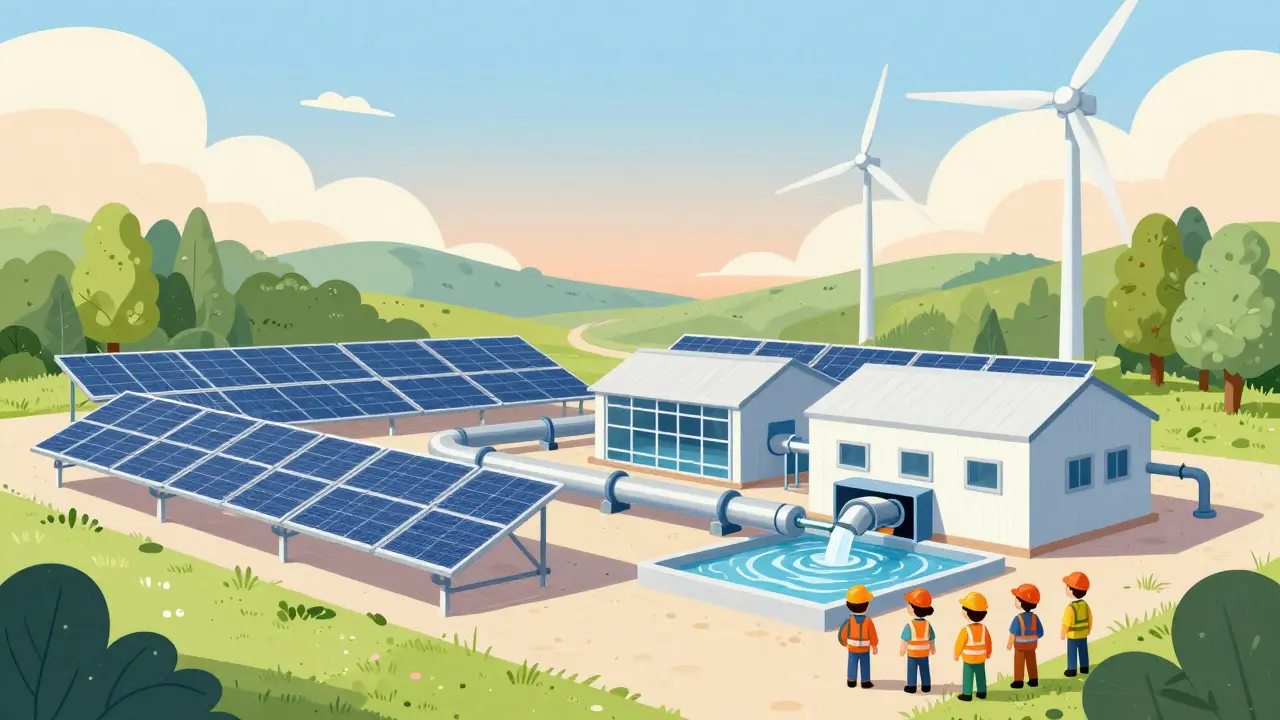
Given these challenges, mining companies are adopting various strategies to manage seasonal risks. One approach is diversifying energy sources. Instead of relying solely on Hydropower, mines are integrating solar and wind energy to create a hybrid grid. This reduces dependency on water levels for electricity. While solar and wind have their own intermittency issues, they complement hydro power well. When the sun shines and the wind blows, the hydro plant can conserve water for the dry season.
Water recycling and reuse are critical. Modern mines aim to close the water loop, treating and reusing water multiple times before discharging it. This reduces the demand for fresh water intake. Advanced filtration technologies allow mines to extract water from tailings and process it back into the system. This is especially important during dry seasons when fresh water is scarce.
Infrastructure hardening is another key strategy. Upgrading drainage systems, reinforcing tailings dams, and building flood barriers can protect against extreme weather events. Real-time monitoring systems using sensors and IoT devices provide early warnings of rising water levels or structural instability. This data allows operators to take proactive measures before a crisis occurs.
Finally, strategic planning involves engaging with local communities and regulators. Transparent communication about water usage and environmental impacts builds trust. Collaborating on water management plans ensures that the mine's needs are balanced with those of the surrounding ecosystem and population. This social license to operate is just as critical as the physical infrastructure.
How does seasonality affect hydropower generation for mines?
Seasonality dictates water availability in reservoirs. During wet seasons, generation capacity peaks, but flooding risks increase. In dry seasons, low water levels reduce power output, potentially causing grid instability and forcing mines to use expensive backup generators.
What are the main risks of water scarcity in mining?
Water scarcity can halt ore processing, reduce power generation, and compromise dust control. It also increases the concentration of pollutants in remaining water bodies, leading to environmental compliance issues and potential fines.
How do floods impact tailings storage facilities?
Intense rainfall can saturate the ground around tailings dams, increasing pore pressure and reducing stability. This raises the risk of structural failure, which can release toxic waste into the environment and cause significant damage.
What role does climate change play in mining water management?
Climate change intensifies water stress by making droughts more frequent and severe. It also shifts precipitation patterns, making historical data less reliable for infrastructure design. Thawing permafrost in cold regions adds further instability risks.
How can mines mitigate seasonal water risks?
Mines can diversify energy sources with solar and wind, implement water recycling systems to reduce fresh water demand, harden infrastructure against extreme weather, and use real-time monitoring for early warnings.