
That old-fashioned phone jack in your office wall? It’s going away. And it’s not just a rumor. AT&T is actively dismantling its massive network of copper wires that have carried voice calls for over a century. This process, known as the copper sunset or POTS (Plain Old Telephone Service) retirement, means traditional analog landlines are being replaced by digital services like VoIP and fiber optics. If you still rely on those copper lines for business phones, fax machines, or safety systems, you need to know what’s happening and when.
The timeline is tight. AT&T has announced clear milestones leading up to a near-total shutdown of copper-based services by the end of 2029. For many businesses, this isn’t a future problem-it’s a current crisis. Ignoring these changes can lead to unexpected service cuts, compliance issues with fire codes, and skyrocketing costs for legacy support. Let’s break down exactly what’s changing, why it’s happening, and how you can prepare without panic.
What Is POTS and Why Is It Disappearing?
To understand the shift, we first need to define POTS (Plain Old Telephone Service). This is the standard analog telephone service that uses twisted-pair copper wires to connect your phone directly to the local central office. It’s the technology that gave us the reliable "five nines" (99.999%) uptime because the power came from the central office, not your home outlet. That meant your phone worked even during a blackout.
However, maintaining this infrastructure is becoming economically unsustainable. Copper lines degrade over time due to corrosion, water intrusion, and lightning damage. With subscriber numbers plummeting-from roughly 122 million switched access lines in 2010 to around 30-35 million by mid-2022 according to FCC reports-the cost per user to maintain these aging networks has skyrocketed. AT&T and other major carriers are shifting their capital expenditure toward high-speed fiber and 5G fixed wireless, which offer better reliability, lower maintenance costs, and modern features that copper simply cannot support.
The AT&T Copper Sunset Timeline: Key Dates You Must Know
AT&T hasn’t just decided to flip a switch; they are following a regulated, multi-stage decommissioning plan. Here is what you need to watch for in the coming years:
- October 15, 2025: AT&T stops accepting new orders, moves, or changes for copper-based services across nearly 20 states. Existing customers are grandfathered in temporarily, but you cannot upgrade or modify your line.
- June 2026: The actual shutdown begins. AT&T starts decommissioning copper facilities in approximately 500 wire centers nationwide, representing about 10% of its footprint. This affects roughly 90,000 customers initially.
- November 2026: Further discontinuation of legacy TDM-based voice services in specific wire centers across multiple states.
- End of 2029: AT&T’s stated goal is to no longer provide copper-based services across the vast majority of its footprint.
These dates are not suggestions. They are regulatory filings approved by the FCC. If your business is in one of the affected wire centers, your service will be cut unless you migrate proactively. Waiting for a final notice is risky, as transition windows can be short and equipment availability may lag.
Who Is Most at Risk? Beyond the Office Phone
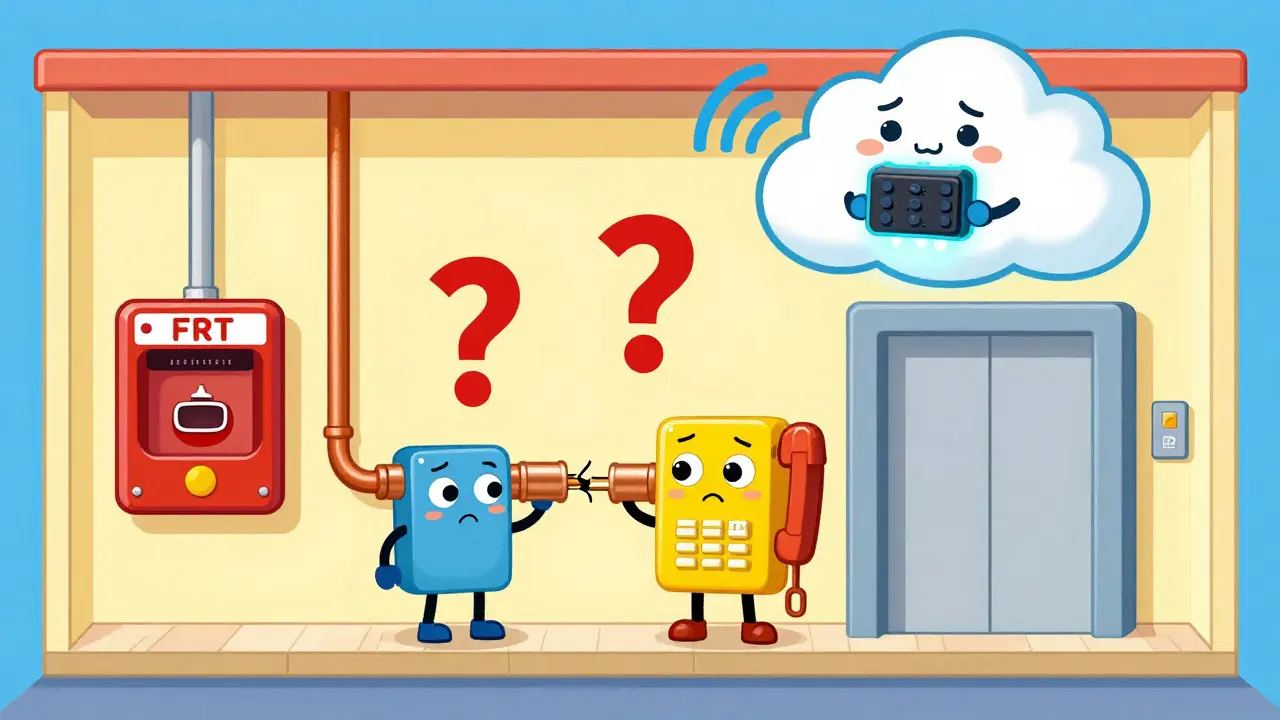
Most people think of POTS retirement as affecting their desk phone. But the real danger lies in the hidden dependencies. Many critical systems still rely on analog signals that only work over copper lines. These include:
- Fire Alarm Panels: Many older panels require a dedicated dial-up connection to monitoring stations.
- Elevator Emergency Phones: Code often requires a hardwired, always-on line for emergency communication.
- Security Systems: Intrusion detection and gate access controls frequently use analog signaling.
- Fax Machines: Still widely used in healthcare and legal sectors due to regulatory requirements.
- Point-of-Sale (POS) Terminals: Some legacy credit card readers depend on dial-up connections.
If you lose your copper line, these systems don’t just stop ringing-they fail silently. A fire alarm that can’t dial out is a catastrophic liability. Industry experts warn that simple VoIP adapters plugged into consumer internet often do not meet the strict uptime and latency requirements set by NFPA 72 (fire code) or local building authorities. You need specialized solutions designed for life-safety applications.
VoIP vs. Landlines: Making the Switch Safely
The alternative to POTS is VoIP (Voice over Internet Protocol), which transmits voice data over IP networks rather than circuit-switched copper. While VoIP offers cost savings and flexibility, the transition isn’t always plug-and-play, especially for critical infrastructure.
| Feature | Legacy POTS (Copper) | Standard VoIP | POTS Replacement (LTE/5G/Fiber) |
|---|---|---|---|
| Power Source | Central Office (-48V DC) | Local Power (Router/Adapter) | Local + Battery Backup |
| Reliability During Outage | High (Works without power) | Low (Fails if power/internet dies) | Medium-High (With BBU/LTE backup) |
| Code Compliance | Inherently Compliant | Often Non-Compliant | Certified for Fire/Elevator Use |
| Cost Trend | Rising (Surcharge fees) | Stable/Low | Moderate (Hardware + Subscription) |
For general business communications, standard VoIP hosted on fiber broadband is an excellent choice. It’s cheaper, scalable, and integrates with email and CRM tools. However, for fire alarms and elevators, you need a certified POTS replacement solution. These devices, such as Ooma AirDial or MarketSpark’s LTE platforms, combine cellular connectivity with analog ports and battery backups to mimic the reliability of copper while using modern wireless backhaul.
How to Prepare: A Step-by-Step Migration Plan
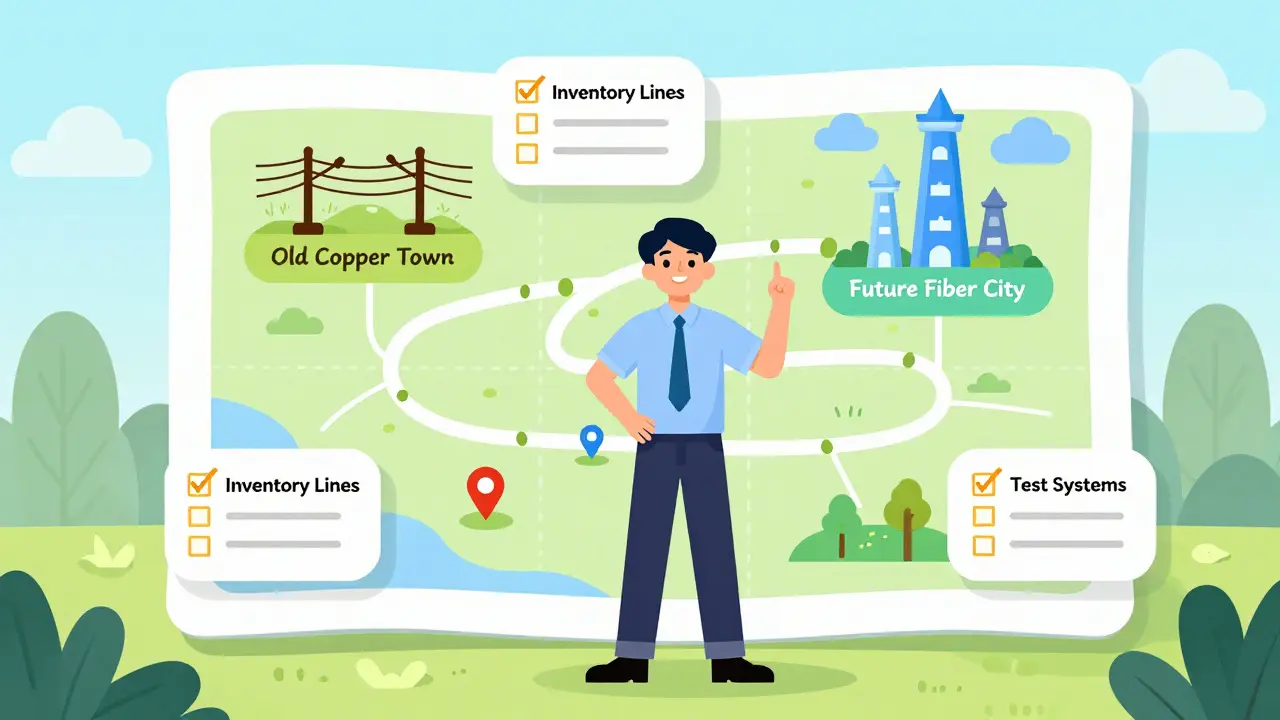
Don’t wait for the letter from AT&T. Start your audit today. Here is a practical checklist to ensure your business stays connected and compliant:
- Inventory Every Line: Review your carrier invoices and physically trace every copper line entering your buildings. Large enterprises often discover 20-40% more active lines than documented, including forgotten fax lines or security loops.
- Identify Critical Systems: Flag any device connected to a POTS line that supports life safety (fire, elevator, medical alert). These require special handling and certification.
- Check Local Codes: Consult with your Authority Having Jurisdiction (AHJ)-usually the local fire marshal or building inspector-to understand what alternatives they accept for replacing POTS lines.
- Select the Right Technology: For general phones, move to cloud VoIP. For critical systems, invest in certified POTS replacement hardware with LTE/5G redundancy and battery backup units (BBUs).
- Test Under Failure Conditions: Simulate a power outage. Does your new system stay online? Can the fire panel still dial out? Document these tests for insurance and compliance purposes.
- Plan the Cutover: Schedule migrations well before the June 2026 shutdown date in your area. Allow buffer time for troubleshooting and AHJ approvals.
Regulatory Hurdles and State Variations
While AT&T sets the national pace, state regulators play a crucial role. In April 2024, the California Public Utilities Commission (CPUC) rejected AT&T’s request to exit "carrier of last resort" obligations, citing concerns about rural and low-income service gaps. This means timelines can vary significantly by region. States like Kansas and Nevada also face unique regulatory hurdles. Always check with your state public utility commission for specific discontinuance notices related to your zip code.
The FCC encourages migration to modern networks through programs like the Broadband Equity, Access, and Deployment (BEAD) fund, which prioritizes fiber builds. This federal push ensures that IP-based alternatives will be available, but it doesn’t guarantee that every legacy customer will be seamlessly transitioned without proactive effort.
Conclusion: Act Before the Cut
The retirement of POTS is inevitable. The copper network is dying, and AT&T is accelerating its removal to free up capital for fiber and 5G. For businesses, this presents both a risk and an opportunity. The risk is unplanned downtime and non-compliance. The opportunity is to modernize your communications infrastructure, reduce long-term costs, and improve resilience with redundant, digital solutions.
Start your inventory now. Identify your critical lines. Choose certified replacements for safety systems. By taking control of the migration process today, you avoid the scramble later and ensure your business remains connected, compliant, and competitive in a fully digital world.
When does AT&T completely stop providing copper landline service?
AT&T aims to retire copper-based services across the vast majority of its footprint by the end of 2029. However, the process began earlier, with new order restrictions starting in October 2025 and physical decommissioning of lines beginning in June 2026 in select wire centers.
Will my fire alarm system still work after POTS retirement?
Not automatically. Traditional fire panels relying on analog POTS lines will fail if the copper is cut. You must replace them with certified POTS replacement devices that use LTE/5G or fiber with battery backup to meet NFPA 72 and local code requirements.
What is the difference between VoIP and POTS?
POTS (Plain Old Telephone Service) uses analog signals over copper wires powered by the central office. VoIP (Voice over Internet Protocol) converts voice into digital data packets transmitted over IP networks like the internet or private fiber lines. VoIP is generally cheaper and more feature-rich but requires local power and internet connectivity.
Are there penalties for not migrating off copper lines?
There are no direct financial penalties from AT&T, but you face significant operational risks. If you don’t migrate, your service will be disconnected during the scheduled shutdowns. Additionally, failing to update life-safety systems (like fire alarms) can result in violations of local building codes and insurance policy breaches.
Can I keep my existing phone number during the switch?
Yes, in most cases. Number portability allows you to transfer your existing phone numbers from POTS to a VoIP or POTS replacement service. However, you should initiate this process early to ensure smooth coordination between carriers and avoid temporary service interruptions.